NOV 23RD '25 Cahuilla Park Lake
Brighter colors doing better, try fish thugs rocket red


What's biting across California, newest first.
Brighter colors doing better, try fish thugs rocket red
Bite is tough, covers at 15-30’ have been producing bites.
Green patterns doing the best, try Fish Thugs Green Ice color for silouette and shine.
Gates reopened
Closed on Thanksgiving 11/27/2025. Reopens following day.
Jigs producing limits at blue dock. Try Made Baits Motivation
Trailered Boats allowed at SS May 1 Oct 1 with inspections by appointment. NS closed.
Closed to Trailered Boats in 2026.
Trailered Boats allowed Feb 8-Oct 31 Inspections Required.
EBMUD partially reopens launches in 2026 after year-long closure to stop invasive golden mussel. Plan approved November 12, 2025. No mussels in EBMUD reservoirs yet, but spreading in CA since October 2024. Trailered boats need inspection, 30-day quarantine, tamper-proof band. Can close if risks rise. Clean, drain, dry all boats before inspection. Rules keep golden mussels out; they spread on boats, clog gear, harm fish. 2026 Boating Options
Pardee Reservoir: Closed to trailered boats. Rentals: 16 boats. San Pablo Reservoir: Open Feb 8 - Oct 31 (inspections first-come, first-served). Rentals: 53 boats. Camanche Reservoir: South Shore open May 1 - Oct 1 (North Shore closed; inspections by appointment). Rentals: 30 boats. Lafayette Reservoir: Rentals: 40 boats. Chabot Reservoir: Rentals: 75 boats. Kayaks/canoes/car-top boats: On-site inspection only at Camanche, San Pablo, Lafayette, Chabot. Permit required at Briones. Not allowed at Upper San Leandro.
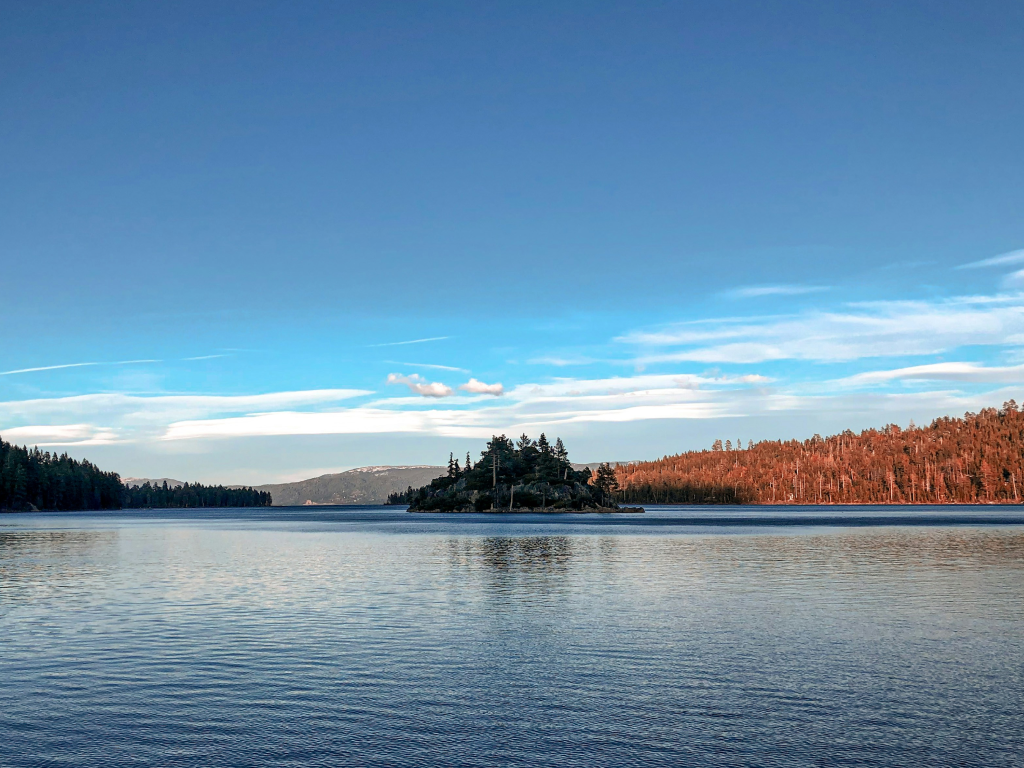
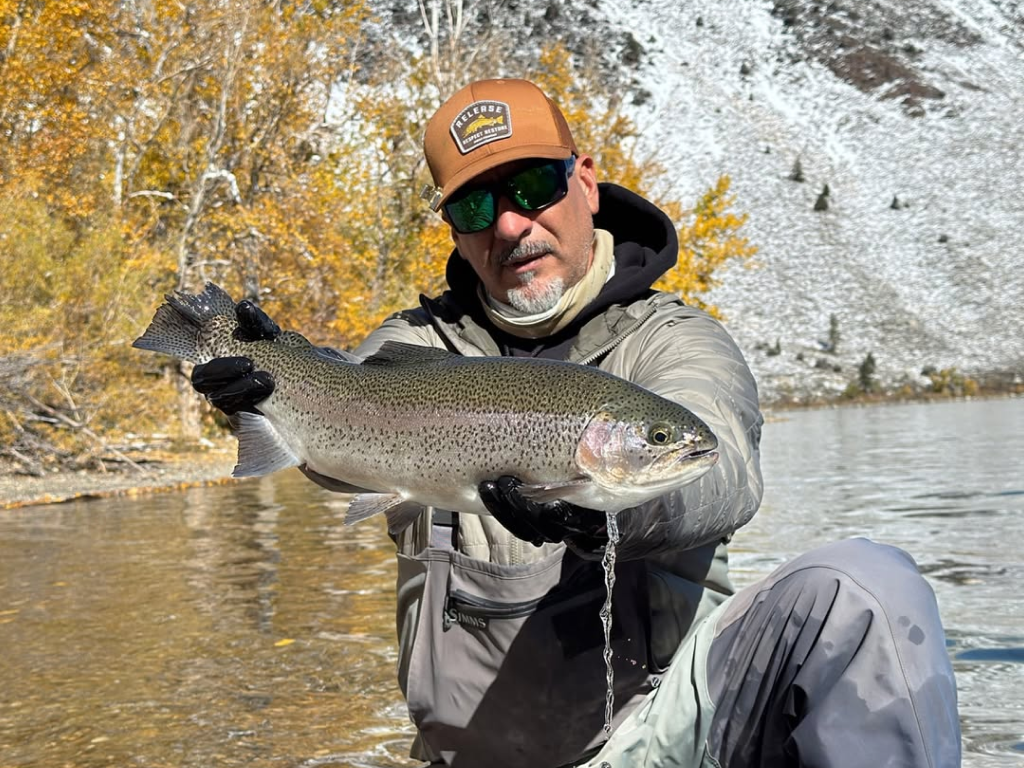
Anglers hitting Convict Lake in the Eastern Sierra report a strong trout bite after recent storms cleared. Trout have turned hungry and aggressive with fish actively chasing lures. MADE Baits in various colorways proved especially effective as trout chased them down hard. One standout catch came from sight fishing a trout holding off a weed line where the bait got hammered on the retrieve. A solid hike around the lake paid off for those willing to explore beyond the easy access points. Focus on weed lines and structure for the best action. This pattern of post-storm aggression and chasing baits holds true across many Eastern Sierra lakes in fall so keep MADE Baits ready for similar bites elsewhere. With the general season now closed many anglers shift to year-round waters nearby. The Lower Owens River, Hot Creek and Upper Owens sections stay open under special regulations often catch-and-release with barbless artificials. These spots deliver solid winter trout action especially for fly anglers targeting browns and rainbows in lower elevation flows.
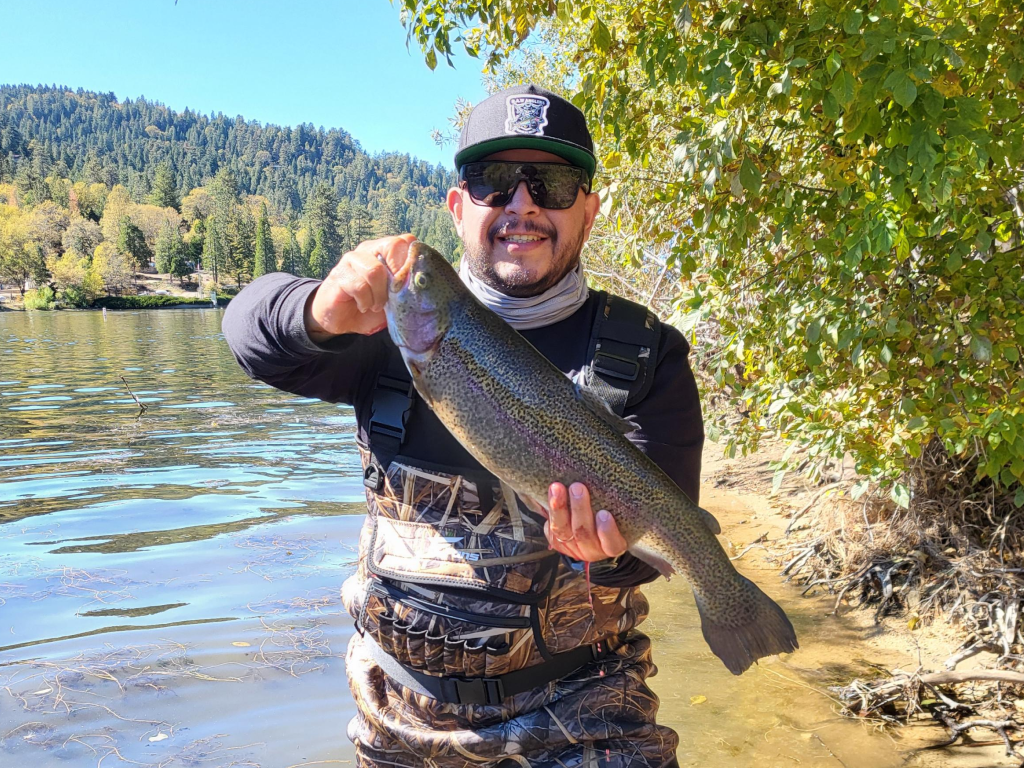
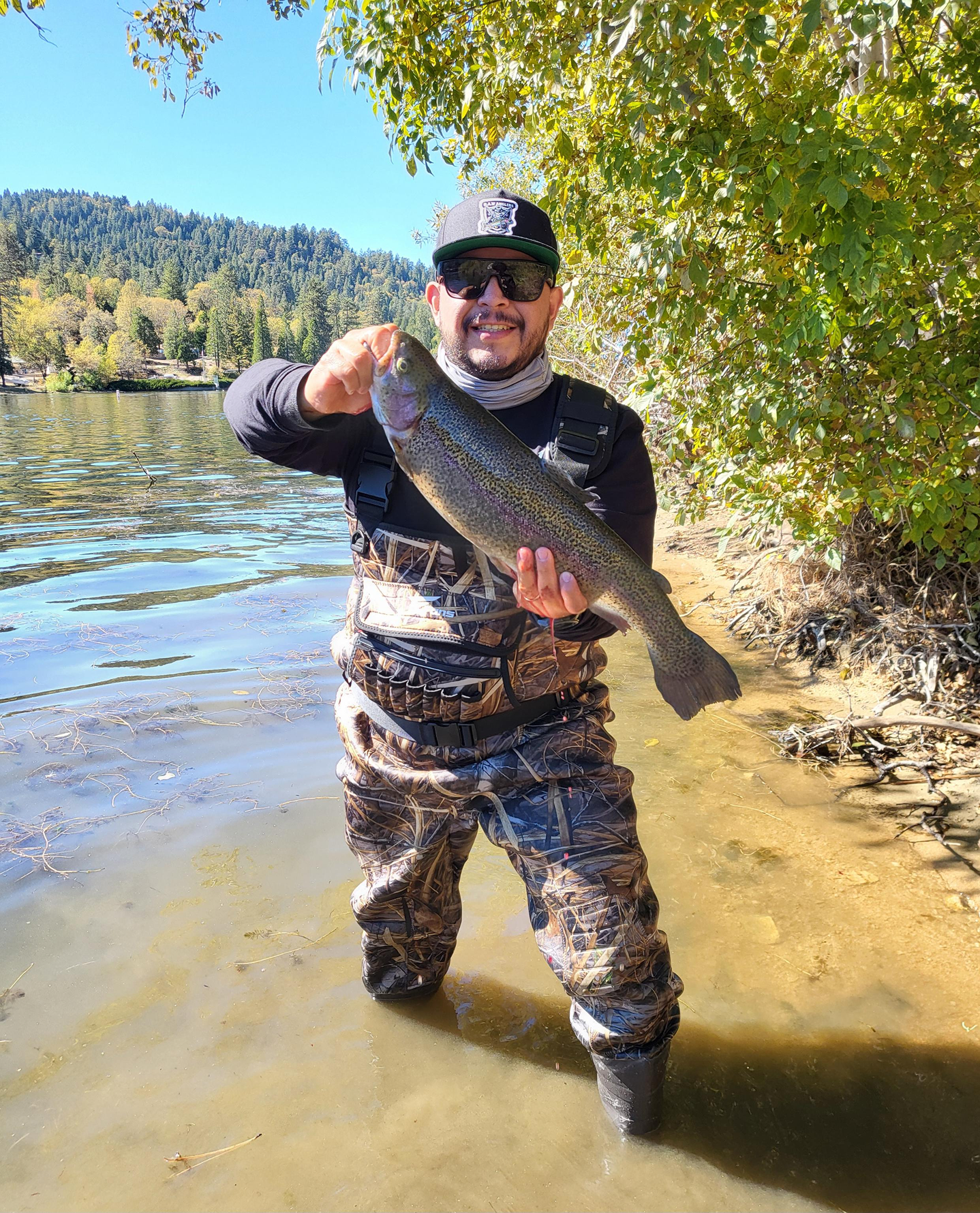
Luis Gonzalez started November strong at Lake Gregory and landed a thick 4.10-pound rainbow trout on the 1st right next to the boat docks. The fish took an Elevated Spoons “Iron Man” spoon. He ran a mini jig tipped in Rusty Garlic scent from Magic Fish Water as a trailer and used light 4lb Izorline monofilament line for the whole setup. The Iron Man color mixes metallic red and gold flash. That pattern works well when trout chase flashy lures near structure. The mini jig trailer with strong garlic scent added extra attraction in the cooler water. Garlic scents help trigger bites when fish turn picky in fall. Anglers planning a trip to Lake Gregory soon should fish the boat docks and close drop-offs while trout hold shallow. Cast spoons in red/gold tones and add a scented mini jig trailer. Run light line in the 4 to 6 pound range for more bites in clear water. This catch from Luis shows the trout still eat if you match what they want.
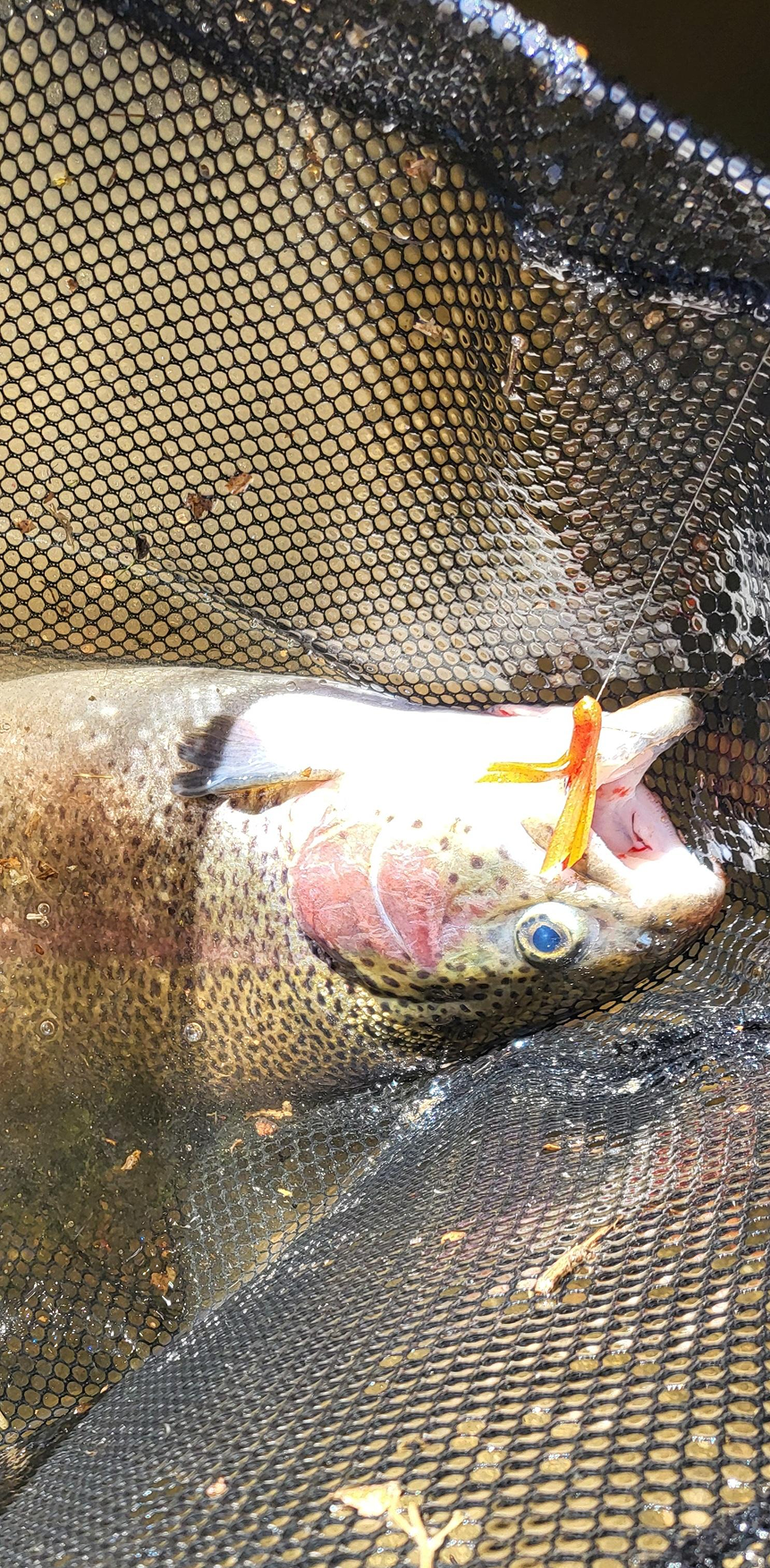
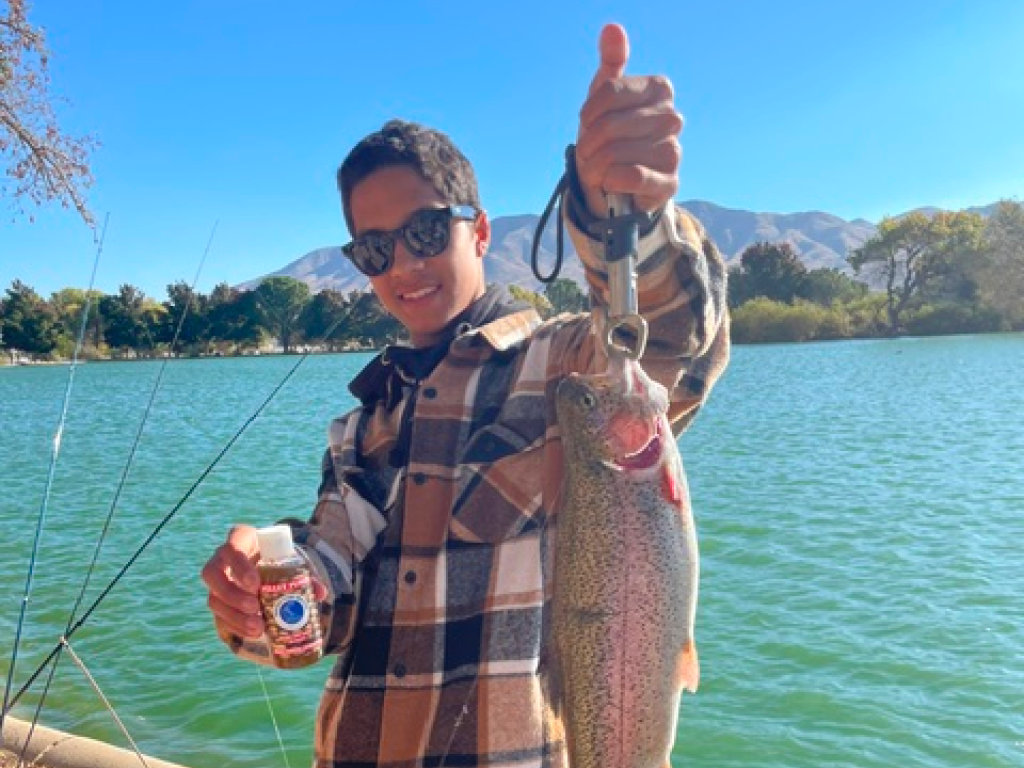
On November 13, 2025, during the Hesperia opener at Hesperia Lake Park, the trout bite began slowly, with just one fish caught on PowerBait before 10 PM. As the evening progressed, the bite significantly improved. The combination of a double drop shot rig with black-colored lures and the new pellet punch and cheddar charm scents from Magic Fish Water made a notable difference. This combination reduced short-biting and boosted the fish’s responsiveness.
In total, Devon, Tom, and Eli caught 17 trout, with each angler reaching their limit of five fish. The weather was mostly gloomy with occasional sunny breaks, and the water temperature was just on the brink of comfort for rainbow trout. Devon caught the largest trout of the day, weighing approximately 4.8 pounds.
.jpeg)
.jpeg)
.jpeg)
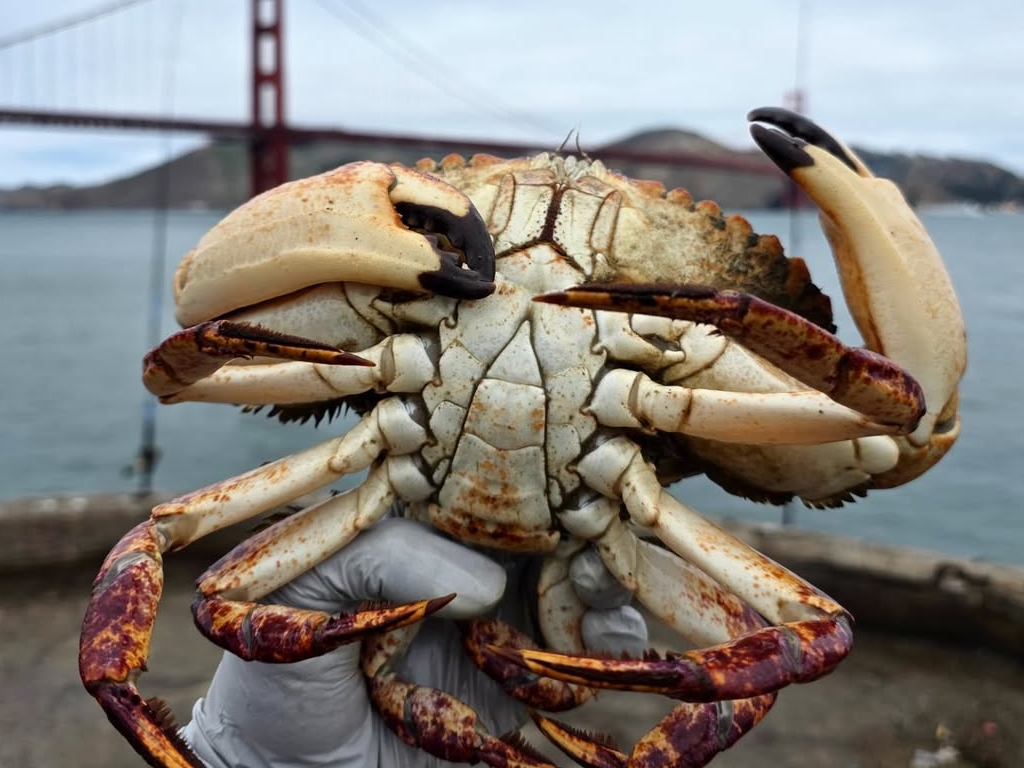
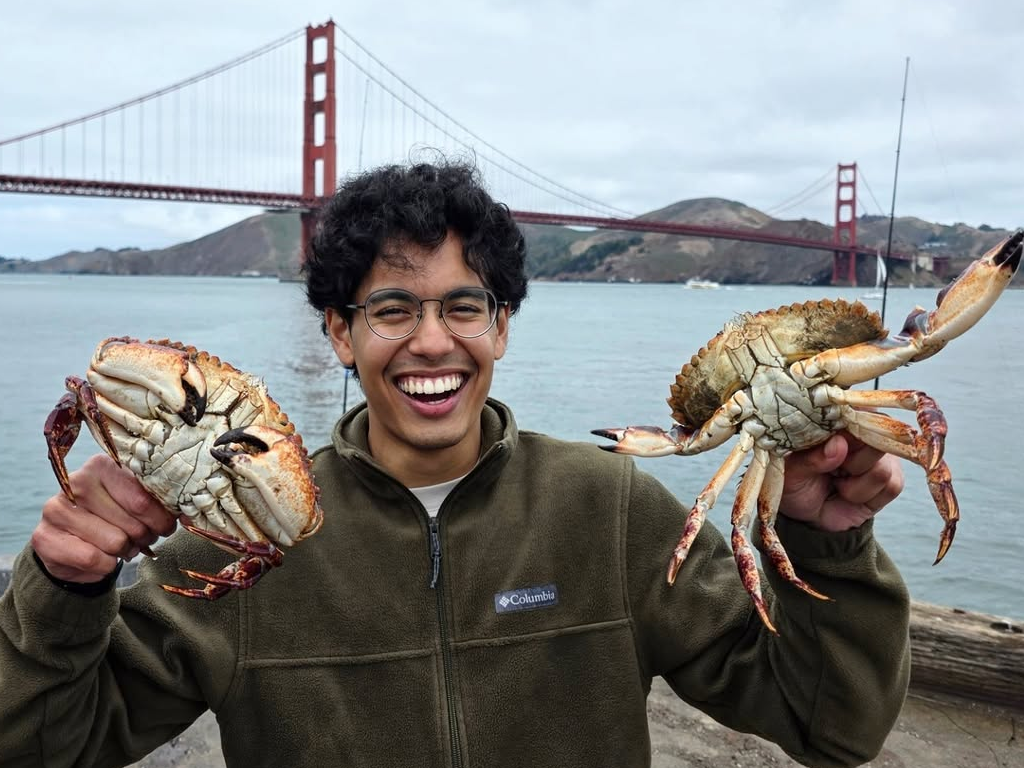
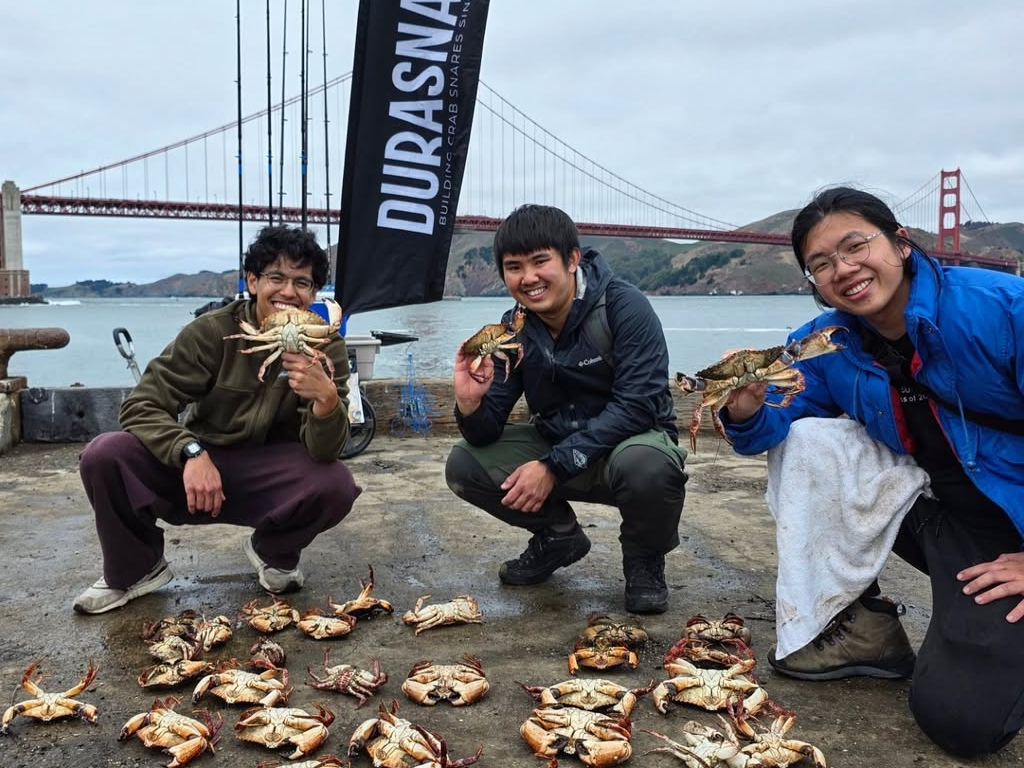
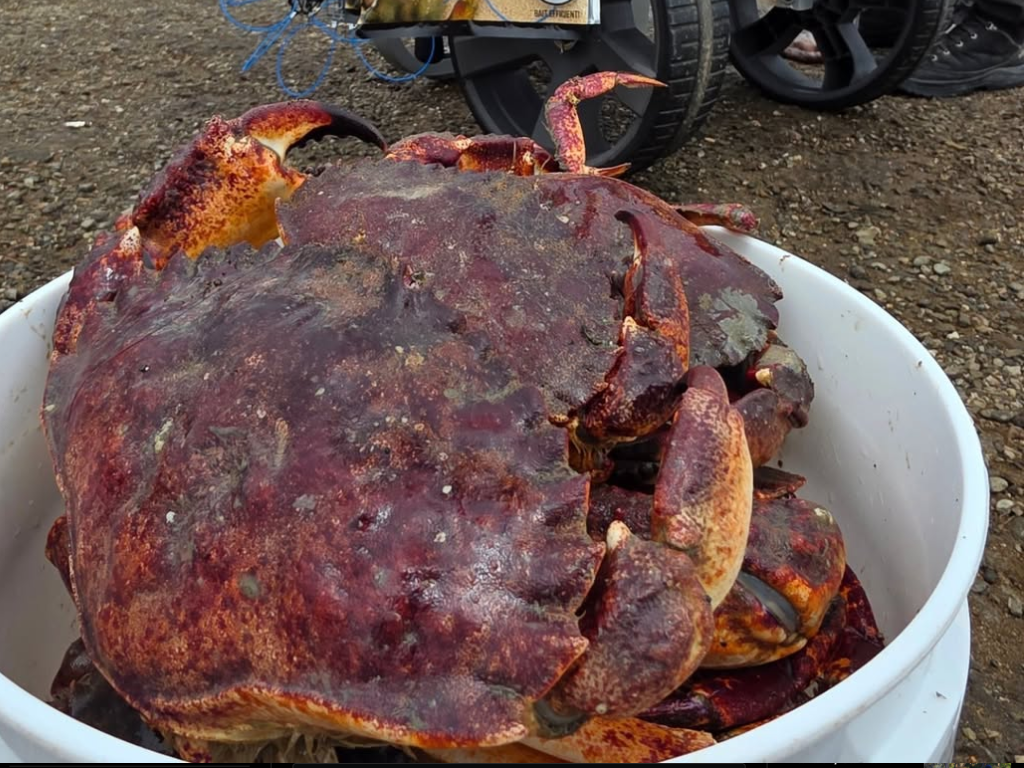
The 2025-2026 recreational season opened November 1 along sections of the central California coast, and we have seen excellent shore-based action across the Bay Area, Pacifica, and Half Moon Bay. Crabs are running good size with solid meat fill, and squid is a favorite bait among local anglers catching crabs on moving tides.
At Durasnare, we run 3-hour guided snaring sessions at prime jetties, piers, beaches, and spots in the San Francisco Bay with views of the Golden Gate Bridge. Even beginners pick up the techniques fast for baiting, casting, and reading the water. Guests have reached limits of crab, including three first-timers from Singapore who had no experience and still pulled in 30 red rock crabs on their trip.
The key to consistent success is solid bait setup: make sure your squid (or whatever bait) is pushed all the way in and firmly locked inside the snare cage so it stays put on the cast and during the soak. Crabs tend to grab and hang on tight once they commit, but loose bait comes off easy and wastes your time. A properly loaded snare is what turns slow days into limits.
We offer full catch, clean, and cook experiences where you pull your own crabs straight from the water using our handmade Durasnare snares, clean them on site, and eat them fresh minutes later. We make the snares in 8oz, 10oz, and 12oz weights because different surf and current conditions call for different sink rates. For a lot of first-timers it is pure magic: that moment when the rod loads up, you reel in a snare full of crabs, and then sit down to crack and eat what you just caught yourself, ocean breeze, Golden Gate in the background. It is the kind of hands-on coastal day people remember forever. We also run combo trips that add poke poling for monkeyface eels and rockfish so you go home with even more fresh seafood.
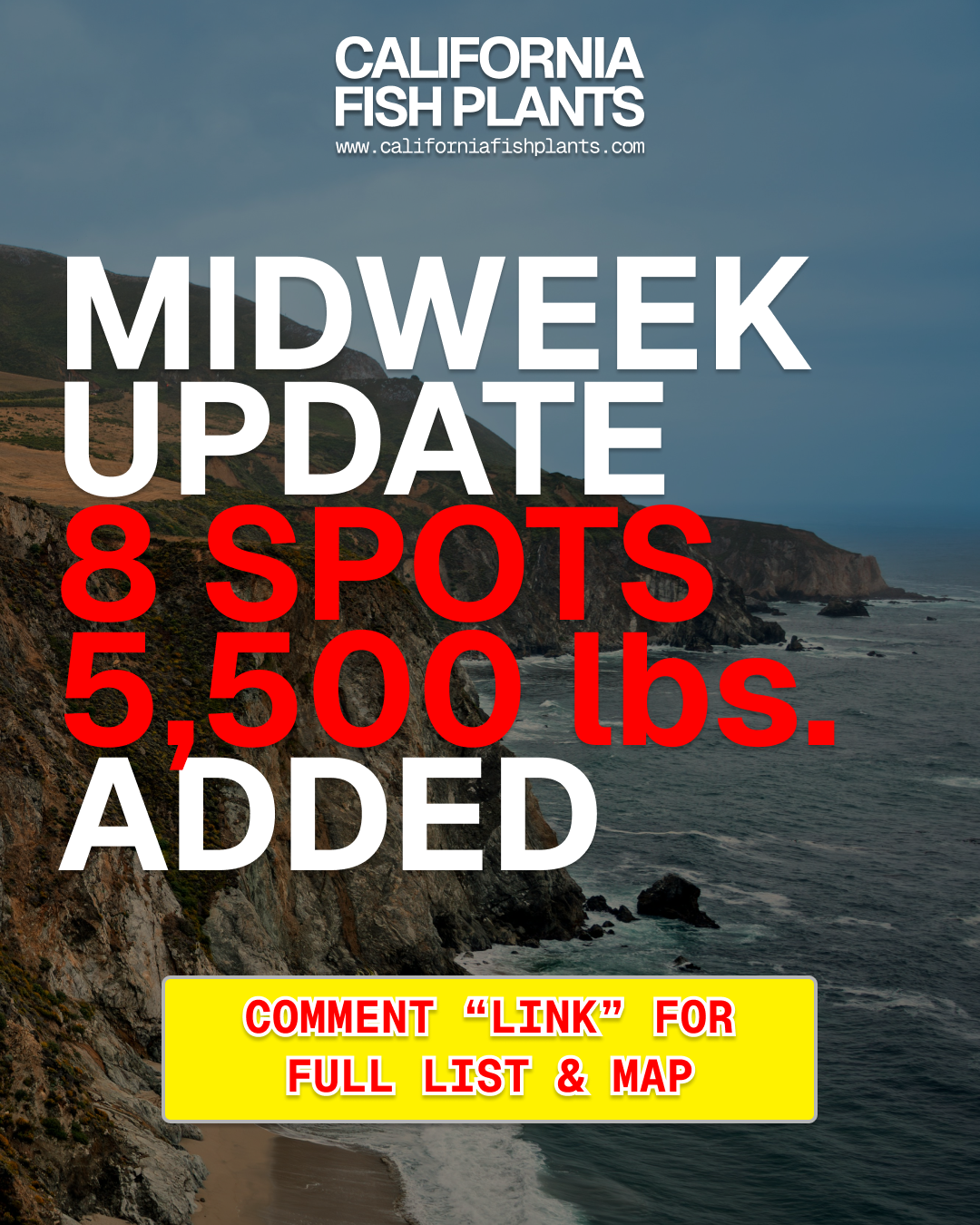
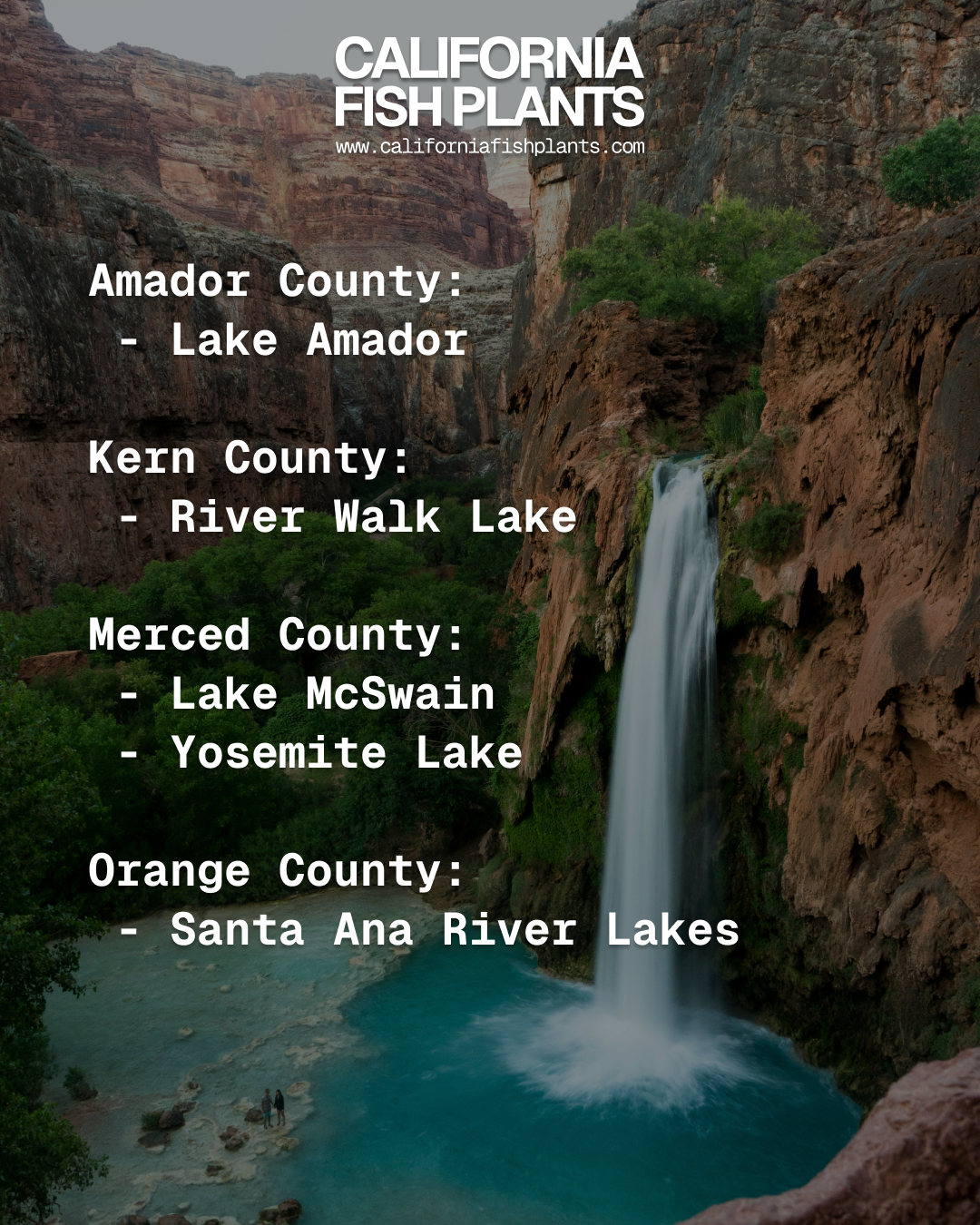
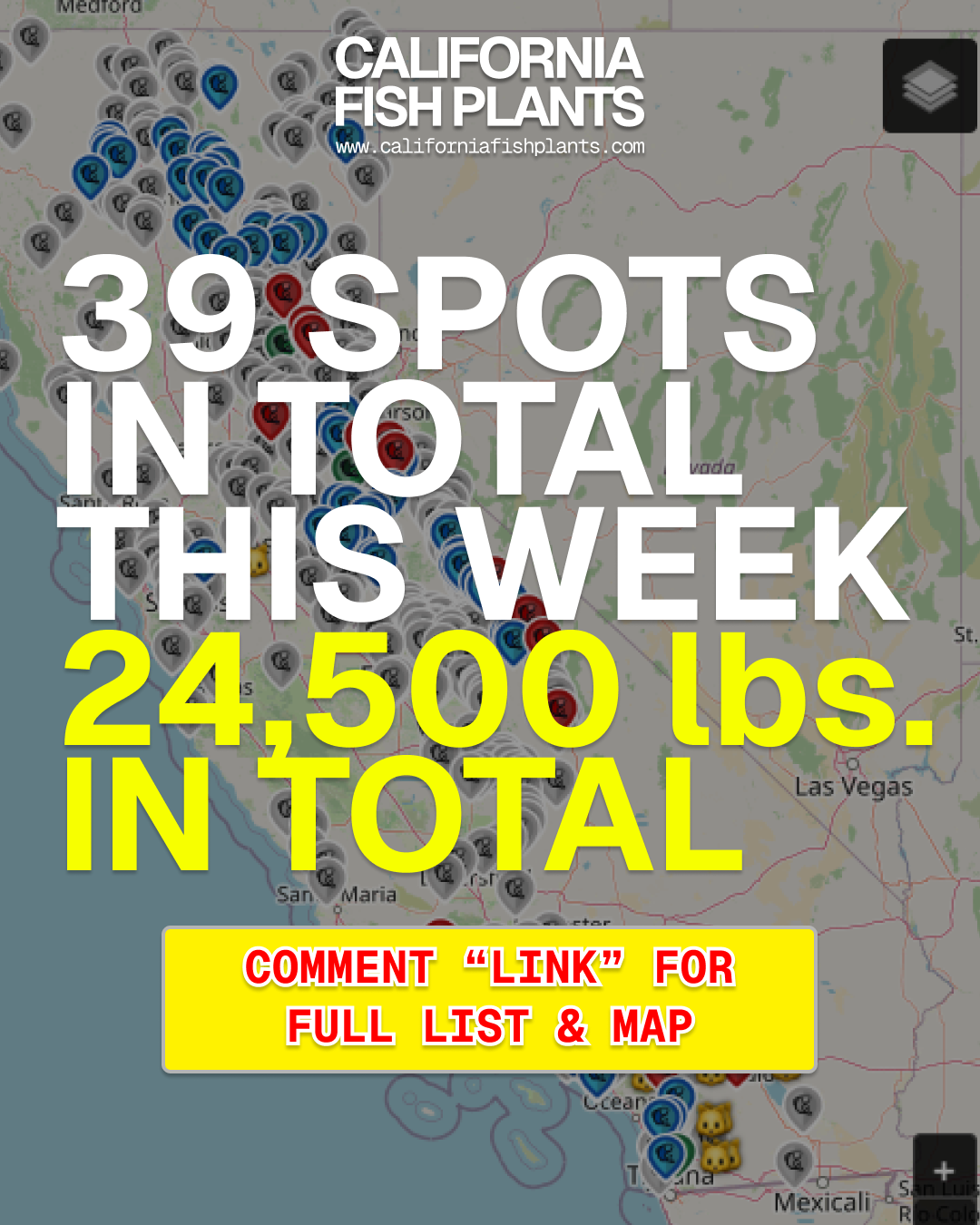
🎣 Mid-week Fish Plants for 11/16/2025 - 11/22/2025 Colder Weather = Trout Surfacing Hey anglers, here’s your midweek update. 8 additional spots are planting fish, bringing totals to 24,500 lbs. of trout across 39 locations. With November’s crisp air cooling California’s waters, trout are feeding aggressively before winter sets in. Big jump from last week’s 19,000 lbs. across 31 locations, and the trout are coming up much closer to the surface in most spots.
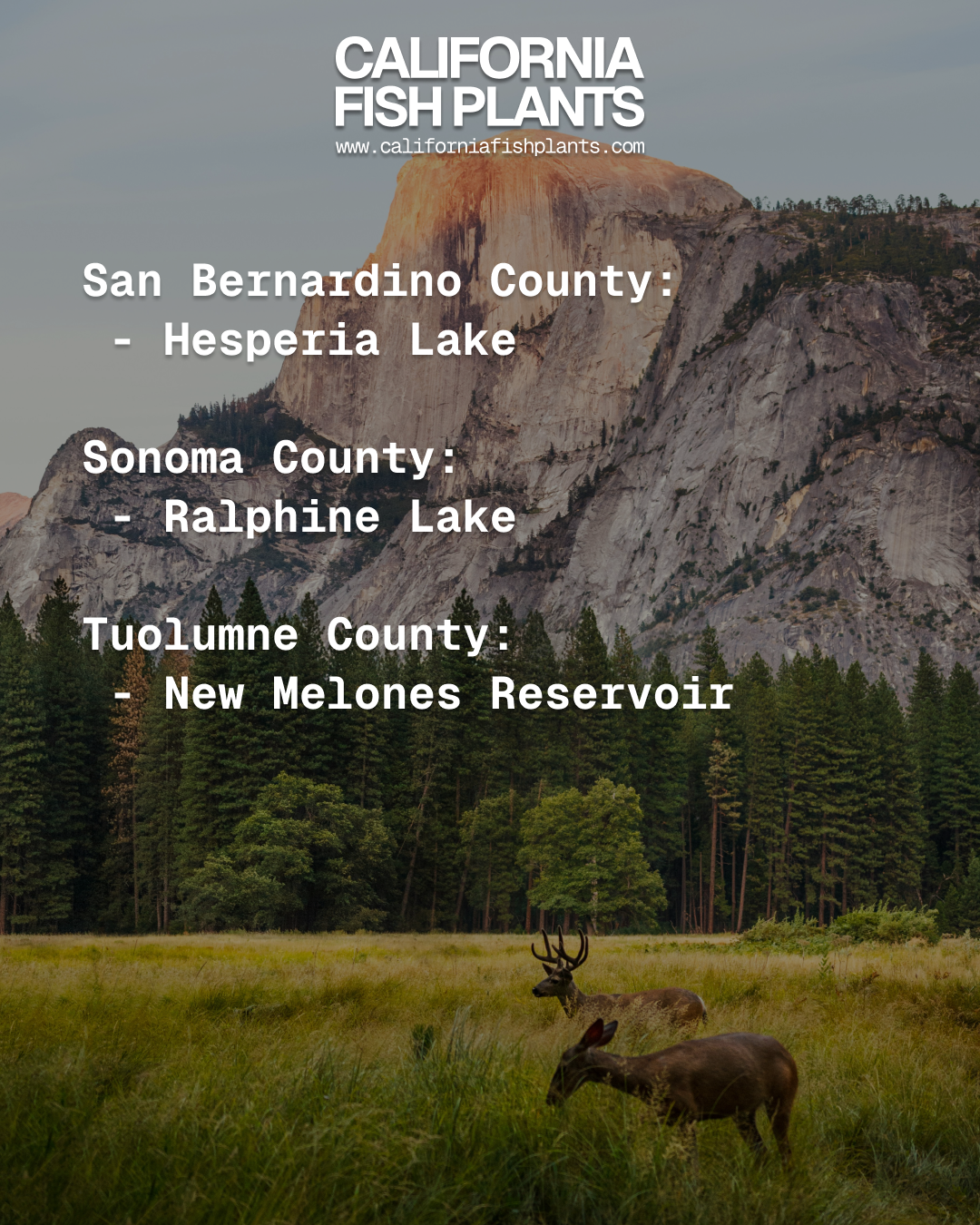
8 lbers being caught. Lake closed on Thanksgiving Day. Scents working well, try spoons and jigs dipped in MFW
Mt Lassen Plant
The naysayers said for many years that it couldn’t be done — that salmon wouldn’t return to their original habitat in the Upper Klamath Basin once the four PacifiCorp dams on the Klamath River were removed. Well, the naysayers have been proven wrong again.
A little more than a year after the historic removal of four hydroelectric dams on the Klamath River, California Department of Fish and Wildlife (CDFW) scientists are seeing salmon reoccupying “just about every corner of their historic habitat,” according to a CDFW press release.
“The speed at which salmon are repopulating every nook and cranny of suitable habitat upstream of the dams in the Klamath Basin is both remarkable and thrilling,” said Michael Harris, Environmental Program Manager of CDFW’s Klamath Watershed Program, in a statement. “There are salmon everywhere on the landscape right now, and it’s invigorating our work.”
While adult returns of salmon are ongoing and final estimates won’t be available until January in preparation for the Pacific Fishery Management Council meetings that craft the ocean and river salmon seasons on the West Coast, initial reports indicate “a stronger fall-run Chinook salmon return than last year with widespread dispersal of the fish,” the CDFW wrote.
Recent signs of salmon recovery throughout the Klamath Basin include:
“The Oregon Department of Fish and Wildlife and Klamath Tribes report seeing widespread salmon spawning within the Oregon portion of the Klamath River, including within multiple tributaries upstream of Klamath Lake where salmon haven’t been seen in more than century. “Fish-counting stations on newly accessible tributaries within the former reservoir footprints in California have recorded 208 adult Chinook salmon in Jenny Creek and 260 adult Chinook salmon in Shovel Creek to date. While multiple state and federal agencies, Tribes and non-governmental organizations are monitoring salmon throughout the Klamath Basin, CDFW is particularly focused on monitoring these newly accessible tributaries. CDFW field crews are surveying regularly for salmon nests and adult fish. “CDFW snorkel crews this summer documented juvenile salmon and/or steelhead occupying nearly all of the newly accessible tributaries in the reservoir footprints. In Fall Creek, one of the newly accessible tributaries upstream of the former Iron Gate Dam location, approximately 65,000 wild juvenile Chinook salmon were counted. “CDFW’s Fall Creek Fish Hatchery, a $35 million state-of-the-art facility in its second year of operation, began spawning returning fall-run Chinook salmon in mid-October. To date, the hatchery has spawned 416 female fish and collected roughly 1.27 million eggs – four times the number of salmon spawned this time last year. More than 1,200 Chinook salmon have entered the hatchery so far. “Temperature monitoring in 2024 and 2025 along the mainstem Klamath River following the removal of the four dams reveals the return of natural, seasonal fluctuations of water temperatures benefiting salmon. Post-dam removal water temperatures are cooling sooner in the fall when adult fall-run Chinook salmon are returning and need that cool water most followed by warming temperatures in the spring when juvenile salmon are rearing and out-migrating to the ocean. ‘Scientists are seeing a lower prevalence of Ceratonova shasta – or C. shasta – a parasite that plagued juvenile salmon prior to dam removal. Harmful algal blooms in the Klamath River are smaller now and less frequent since dam removal.” A primary goal of Klamath River dam removal was the “reestablishment of viable, wild, self-sustaining populations of salmon and other anadromous fish species for conservation, for their ecological benefits, and to enhance Tribal, commercial and recreational fisheries,” the CDFW noted.
To that end, CDFW has invested more than $30 million to support fish habitat restoration projects within the Klamath Basin. These investments include:
$20 million in grants awarded to 10 projects within the Scott and Shasta rivers and watersheds, crucial salmon strongholds within the Klamath Basin. These projects, which include improved fish passage and post-McKinney Fire restoration, were developed in collaboration with and in support of local Tribes, ranchers, farmers and nonprofit fish conservation organizations.
A $130,000 grant to Trout Unlimited to remove a manmade concrete barrier on Jenny Creek to reopen approximately one mile of additional salmon and steelhead spawning and rearing habitat.
A $1.4 million grant to Trout Unlimited to install buffer fencing around the Iron Gate and Copco I reservoir footprints. The fencing will protect approximately 3,235 acres of riparian habitat within the reservoir footprints, support restoration plantings and reduce erosion that negatively impacts water quality and salmon and steelhead populations.
A $582,915 grant to the Klamath River Renewal Corporation (KRRC) to develop new public access and a recreational boating launch facility in the Copco Valley, site of the former Copco Lake reservoir, to provide new public access to the restored Klamath River for boating, fishing and other recreation. “The historic Klamath River dam removal project was a key milestone of Gov. Gavin Newsom’s Salmon Strategy for a Hotter, Drier Future, introduced in 2024 to chart important priorities and actions needed to support California’s struggling salmon populations,” the CDFW concluded.
In fall 2024, CalTrout and their partners installed a SONAR fish counting station at the entrance to newly-reopened habitat on the Klamath River.
“For the first time since Iron Gate Dam’s construction in 1964, anadromous fish could return upstream of the removed dam. The SONAR recorded more than 9,600 fish crossing this historic threshold, marking the beginning of population reestablishment, and we estimated that 7,700 of those fish were Chinook salmon,” the group stated: caltrout.org/…
Klamath River adult Chinook numbers are over triple those of last fall
The Klamath River below the former dam sites this fall has also seen a dramatic increase in numbers of fall Chinooks in the weir counts on the tributaries this fall.
The fall Chinook weir counts on the Klamath River, Shasta River and Scott River and tributaries are over 3 times higher than they were last year.
“The numbers from this year’s fall Chinook salmon run tell a striking story,” reported Jay A. Martin of the Yreka News. “By mid-October 2024, the Shasta River had counted 1,871 adult Chinook salmon. At nearly the same point in 2025, that number stands at 5,745 - more than triple last year’s count. Across every tributary monitored by the California Department of Fish and Wildlife, 2025 is delivering substantially stronger returns than 2024.”
The year-to-year comparison on adult Chinook salmon is as follows:
Shasta River: 1,871 (2024) → 5,745 (2025)
Scott River: 81 (2024) → 1,639 (2025)
Bogus Creek: 56 (2024) → 323 (2025)
Jenny Creek: Data delayed in 2024 → 216 documented in 2025
Shovel Creek: Just began operations in 2024 → 194 in 2025.
The most recent weir adult fish count published by the CDFW on Nov. 14, 2025 shows an upswing in coho salmon numbers, along with the big Chinook numbers:
Shasta River: 5,858 adult Chinook Salmon, 3 adult Coho Salmon, and 273 adult Steelhead
Scott River: 2,896 adult Chinook Salmon, 36 adult Coho Salmon and 124 adult Steelhead
Bogus Creek: 319 adult Chinook Salmon, 2 adult Coho Salmon and 1 adult Steelhead
Jenny Creek: 208 adult Chinook salmon, 2 adult Coho Salmon and 1 adult Steelhead
Shovel Creek: 216 adult Chinook salmon, 1 adult Coho Salmon and 0 adult steelhead.
What else do we know about the Klamath salmon and steelhead runs this year?
“We know for certain salmon and other anadromous fish are now spawning in places they haven’t done so in over a century,” summed up Craig Tucker, natural resources consultant for the Karuk Tribe. “We now know that water quality has improved in the fall when adult fish are migrating. And we know that we have all but eliminated toxic algae blooms in the former reservoir reach.”
There is no doubt that this dam removal and river restoration wouldn’t have taken place without the intense campaign over the past two decades, including rallies and other protests, by the Tribes, fishing groups, environmental organizations and their allies.
500 at dam, 500 near spillway. Water is clear, top 15’ most productive, try bright colors like Fish Thugs Rocket Red minnows
Mt. Lassen Plant. Open during Thanksgiving.
Trolling lighter baits working well 15-30’ deep Try BWO pattern
Dam, Qual Cove and Docks are best. Bright colors doing better.
Mixed results, natural colors doing best.
Water is stained, use dark colors to cast silouette.
Good trout results on Peninsula. More bass and catfish near dock.
The only live map of every public and private fish plant in California. Free forever.