

Guide: Fishing New Hogan Reservoir
Unlocking New Hogan Reservoir: A Comprehensive Guide to Exceptional Angling
Map
What Anglers Are Buying
California-made tackle that's actually working.
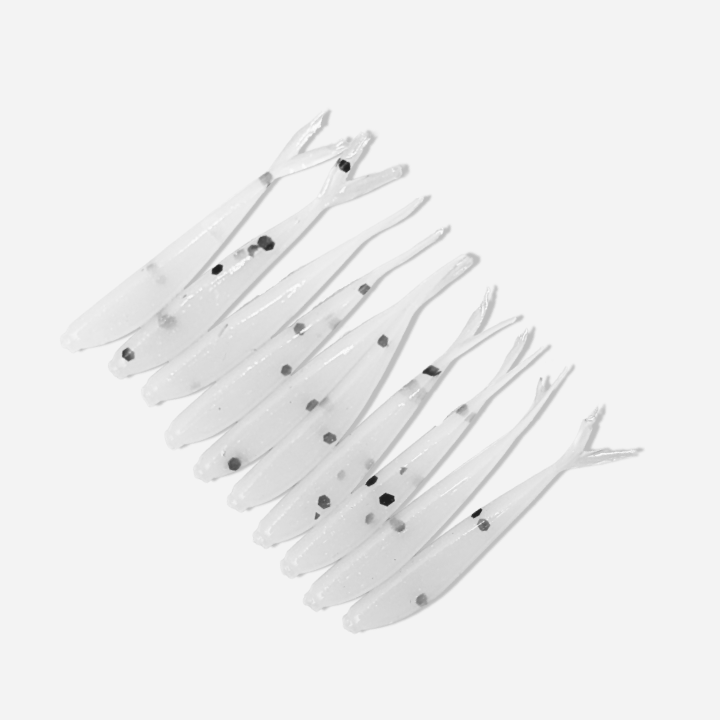
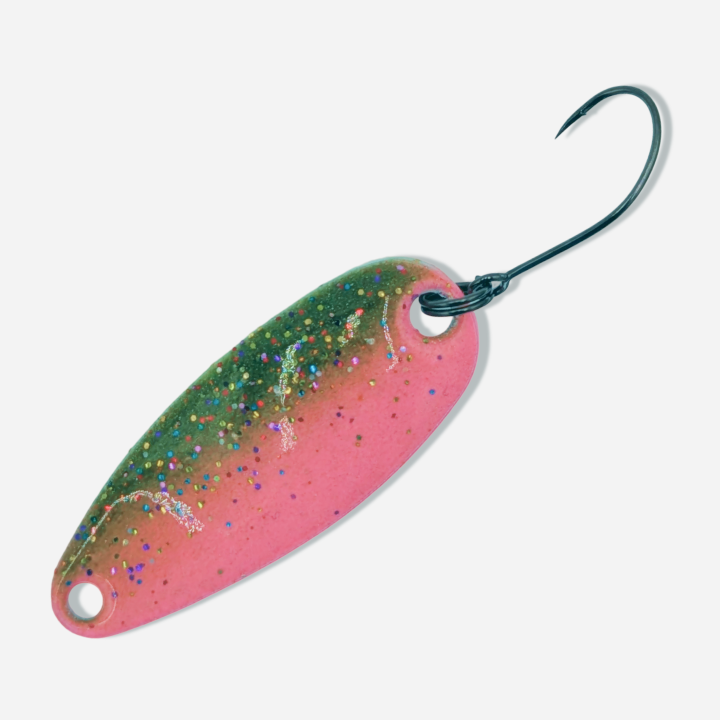
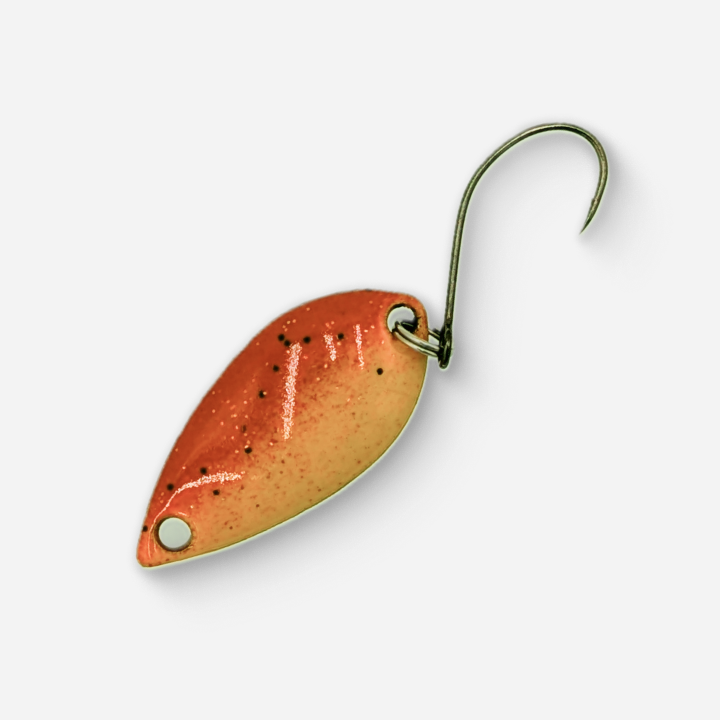
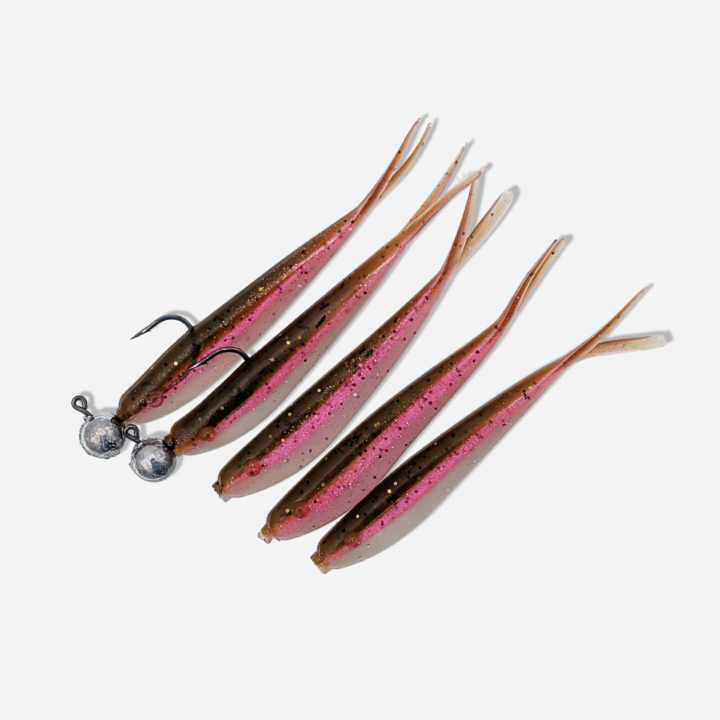
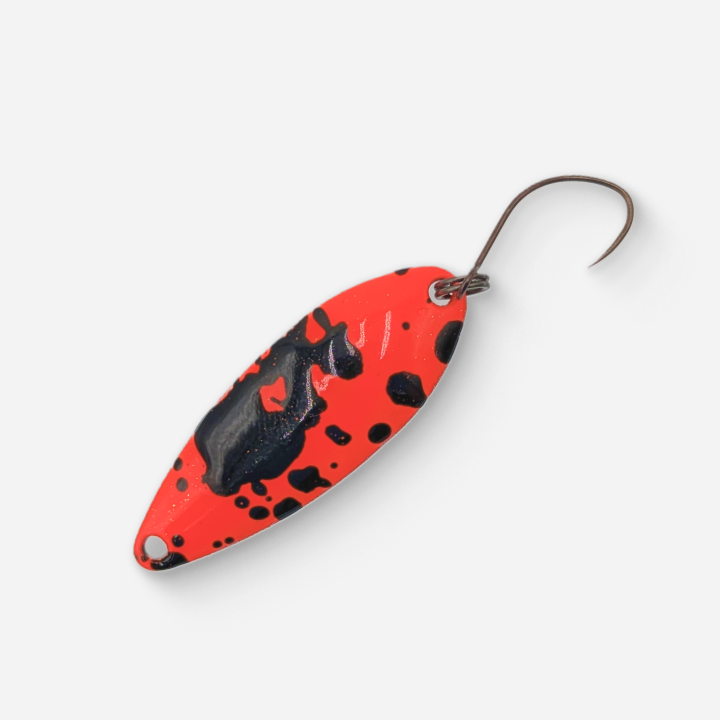
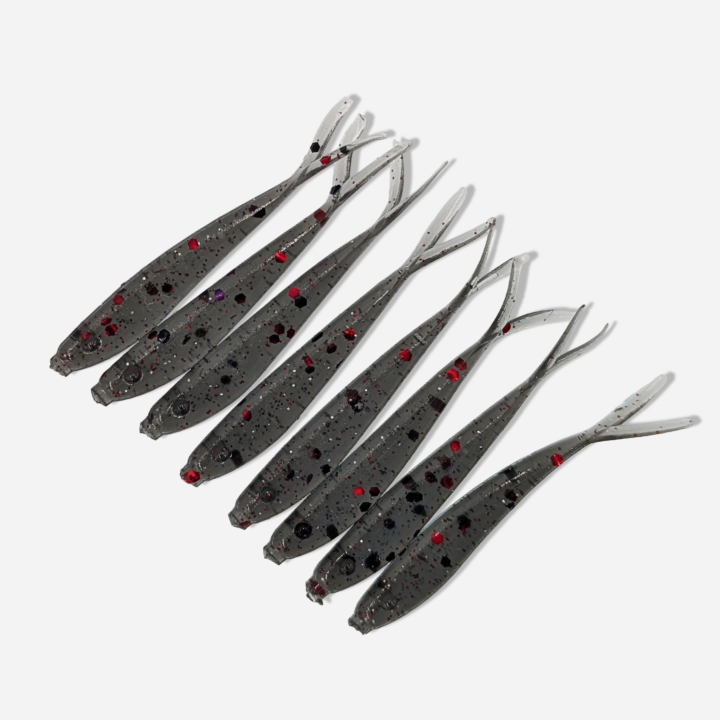
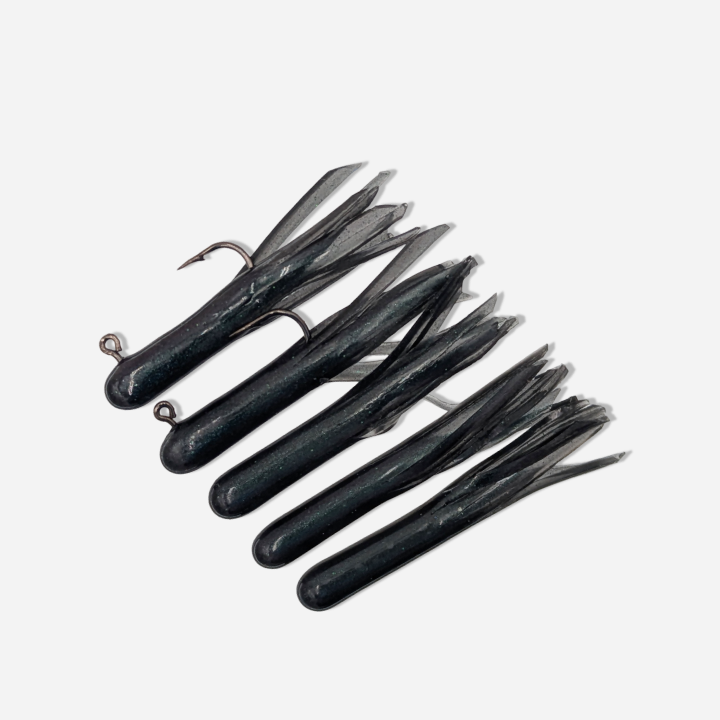
Gear That Works
Tested in California waters by local anglers.
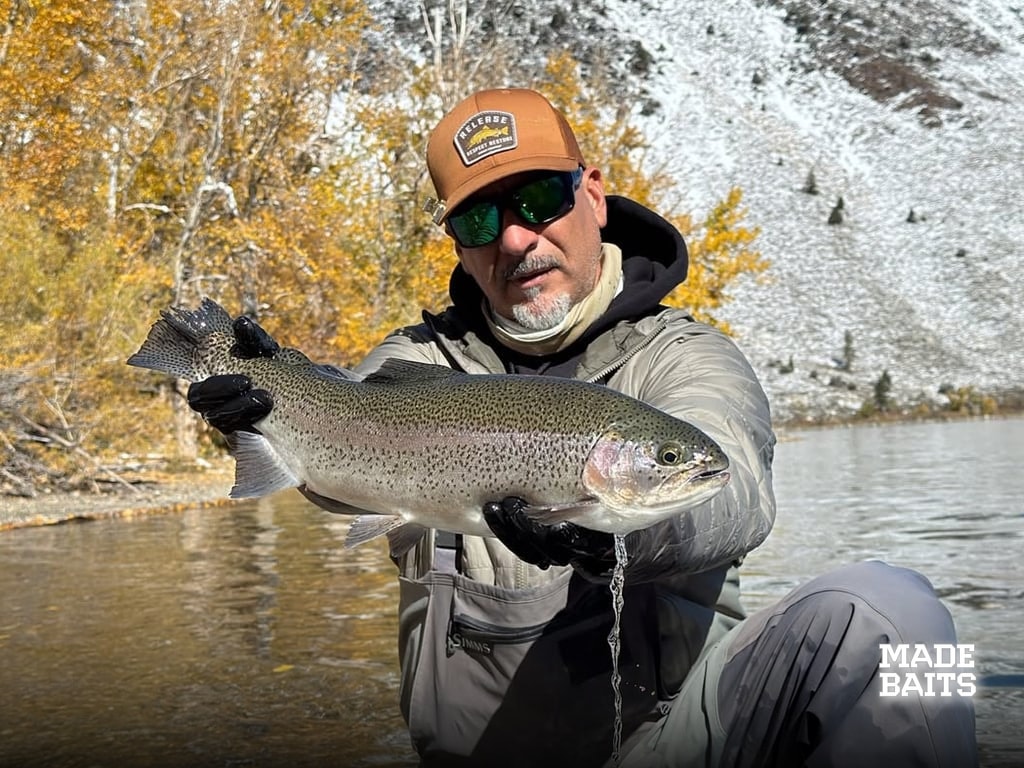
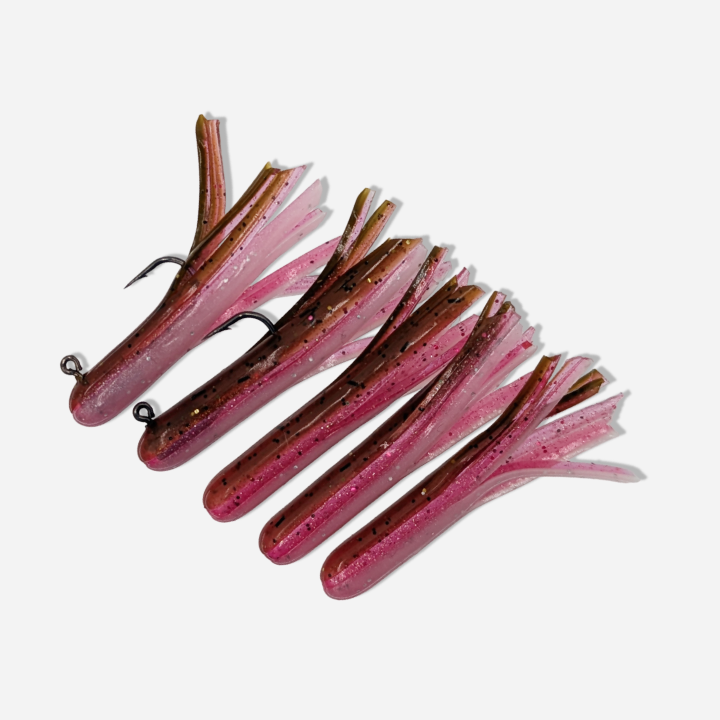
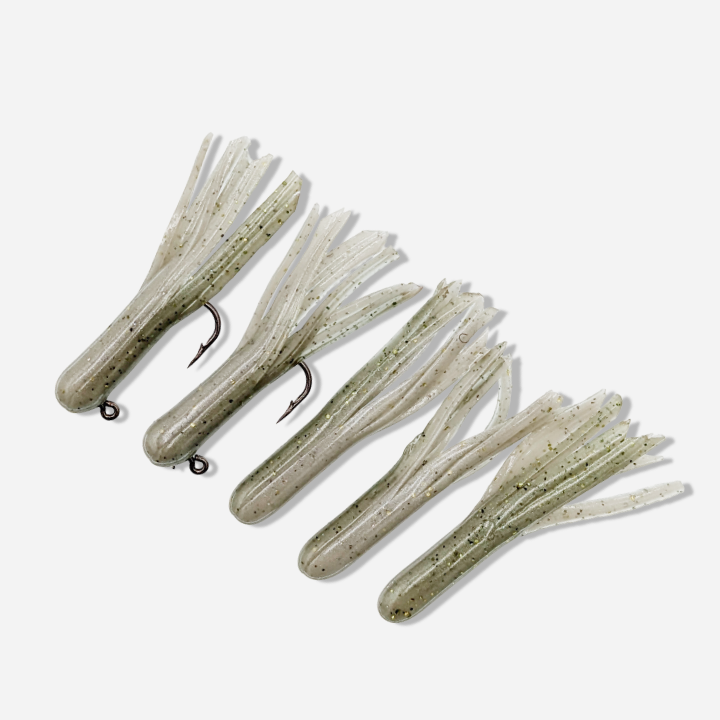
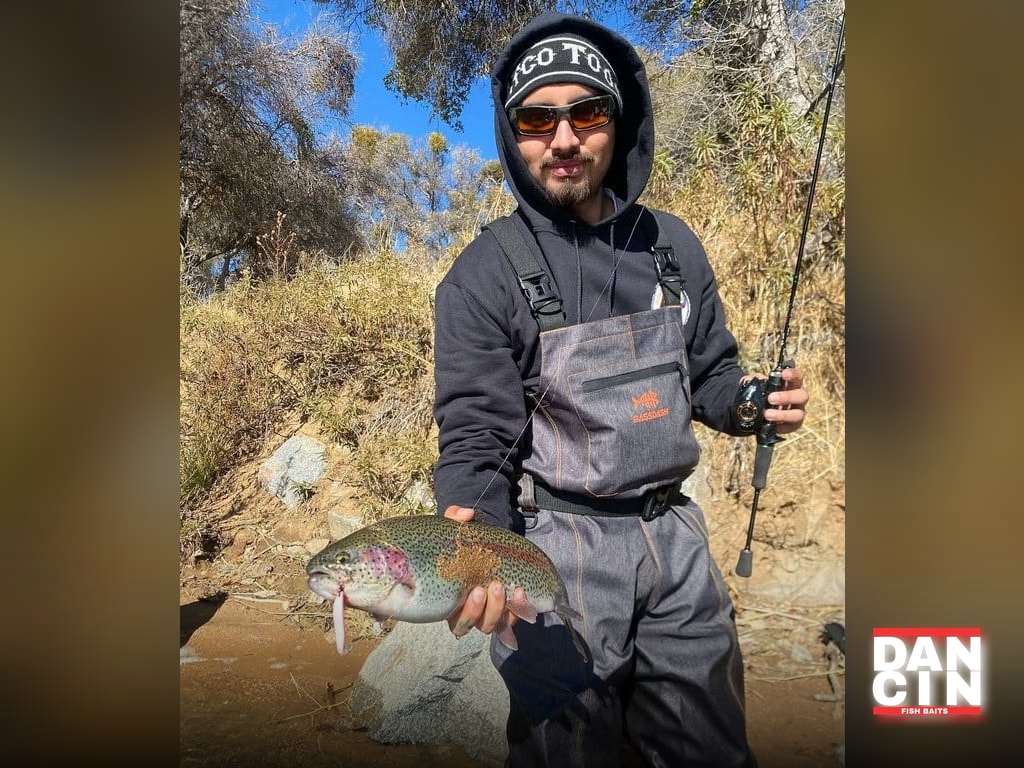
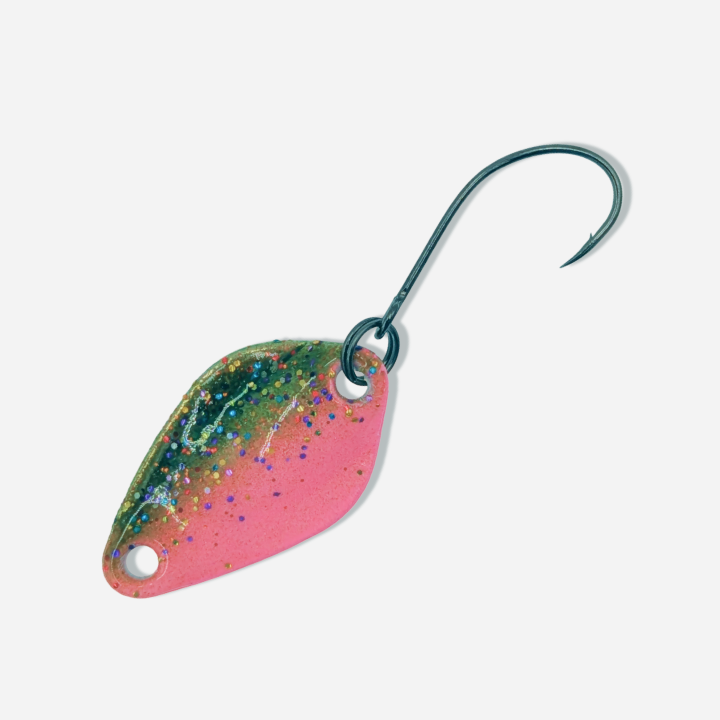
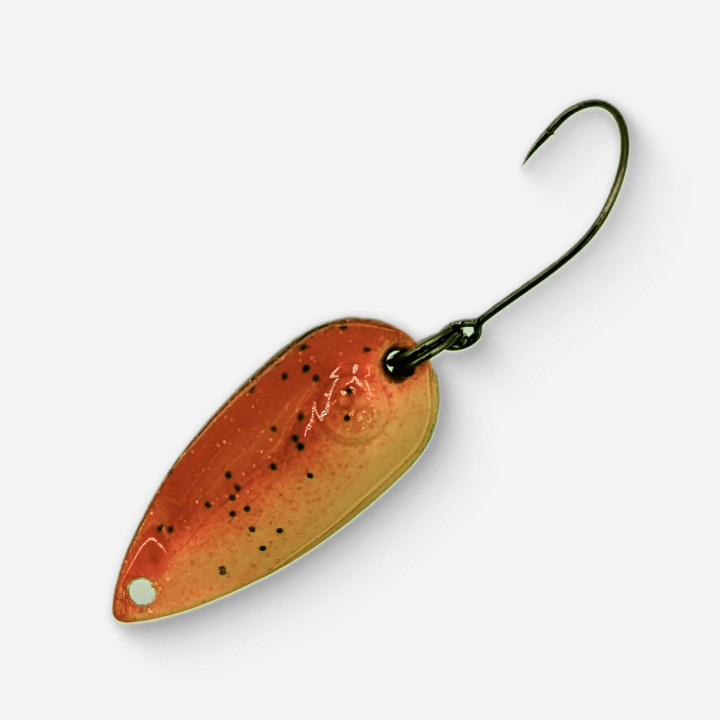
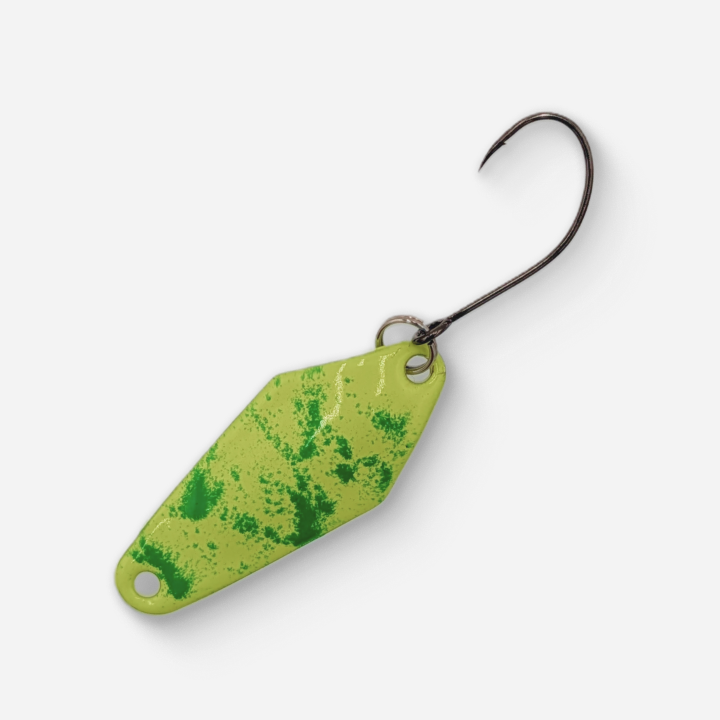
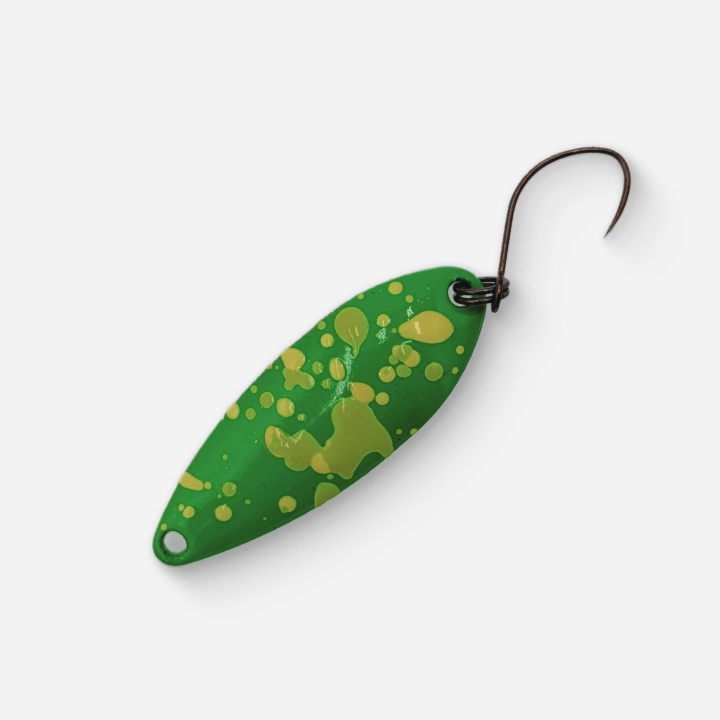
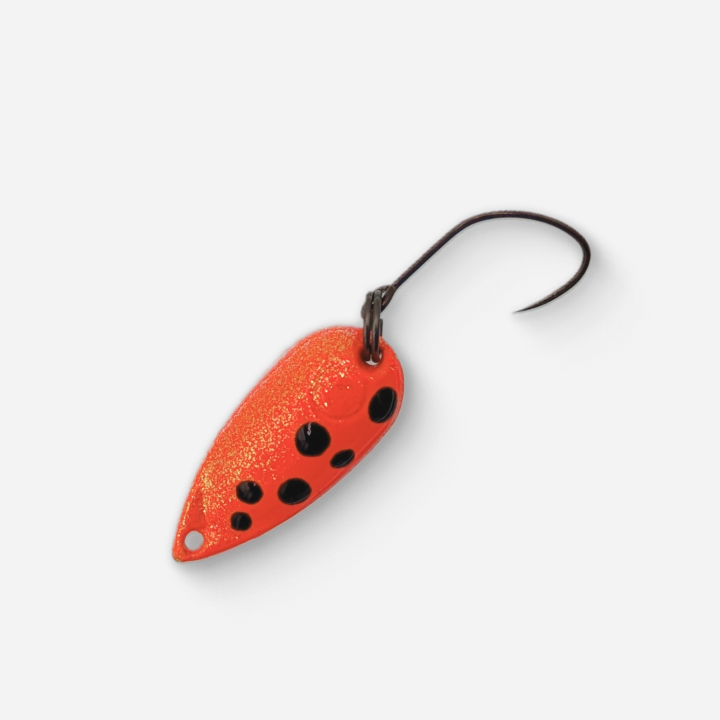
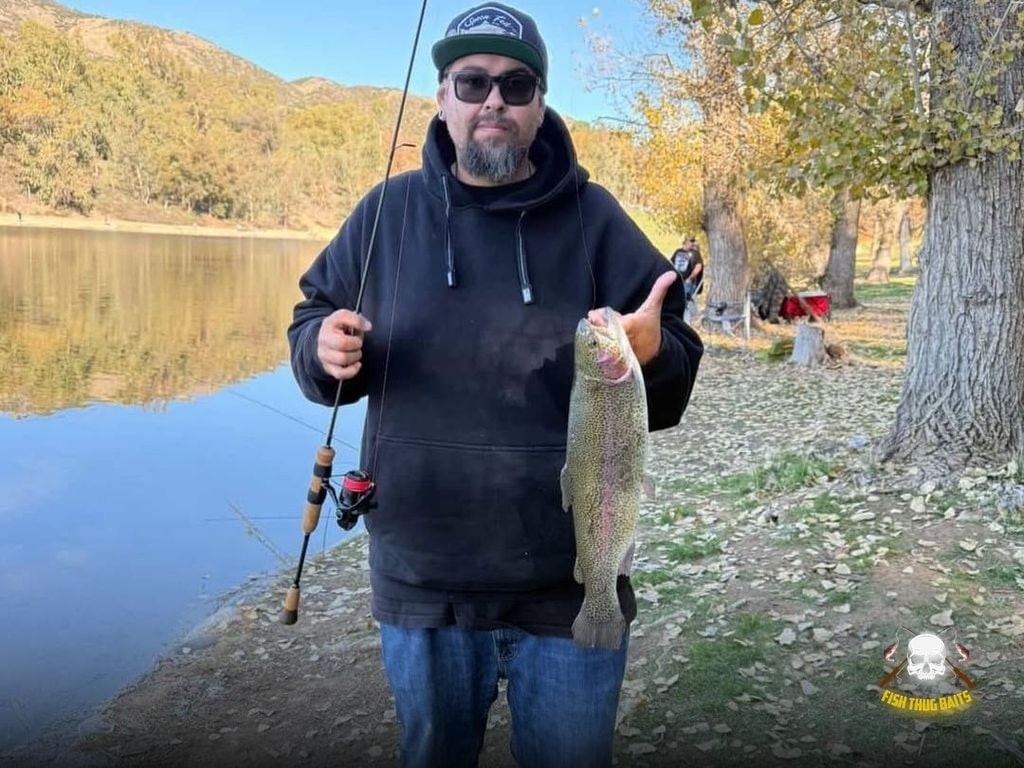
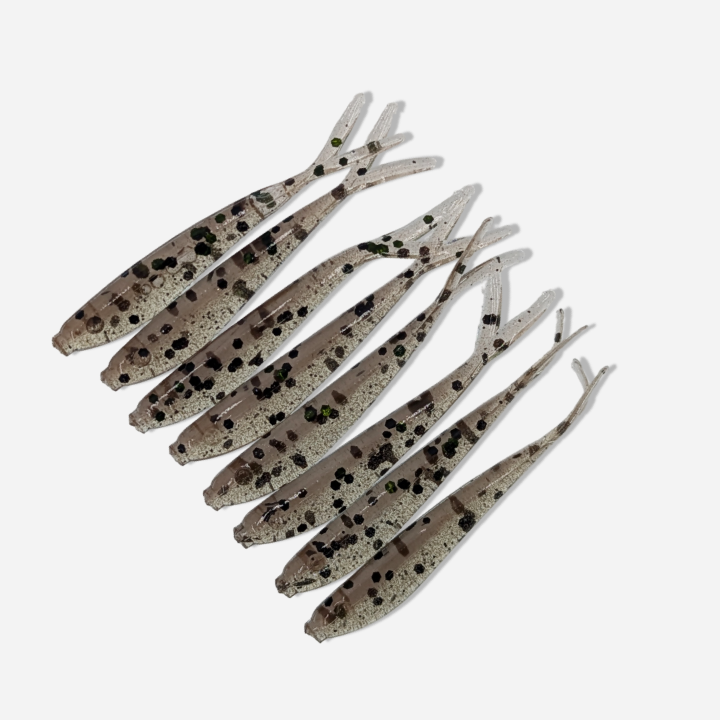
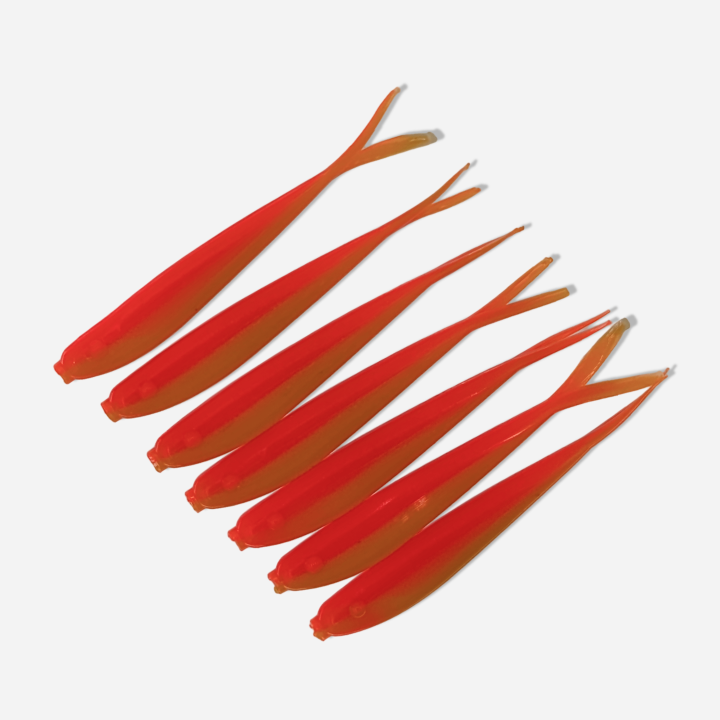

🚨 3 NEW TROUT CANDY SPOONS, MORE COMING SOON
General Background
New Hogan Reservoir sits in Calaveras County, offering anglers a diverse fishing experience that caters to all skill levels. With about 4,000 acres of water and 50 miles of shoreline, this place is known for its robust striped bass population, with fish weighing between 2 to 20 pounds. From July to September, you’ll find schools of stripers chasing shad to the surface, making for a thrilling fishing spectacle. If bass fishing is your preference, shoreline fishing in the spring and early summer yields solid catches—just remember to mix up your techniques with grubs, Brush Hogs, and drop-shotting. Besides bass and stripers, you can also find crappie and bluegill here, particularly near the South Shore. Just keep an eye on the water levels and weather conditions, as these can impact your success on the water. Whether you’re casting from a boat or the shore, New Hogan has plenty to offer for a fulfilling day of fishing.
The history of New Hogan Reservoir is as rich as the fishing opportunities it offers. Built in the 1960s for flood control and water supply, this reservoir sprawls across Calaveras County, delivering not only essential resources but also a vibrant fishing experience. Once overshadowed by nearby lakes, it has reclaimed its status as a go-to spot for anglers, particularly known for its impressive striped bass population. The water levels can fluctuate depending on seasonal conditions, but that only adds to the challenge for those who love to cast their lines here.
Fishing at New Hogan is more than just a pastime; it’s an adventure that accommodates both novices and seasoned anglers. The reservoir is home to a plethora of fish, including striped bass that range from 2 to 20 pounds, making it a thrilling spot, especially during the summer months when the fish chase shad to the surface. The action peaks from July to September when schools of stripers exhibit lively surface boils. During the spring and early summer, bass fishing draws anglers to the shoreline with techniques like drop-shotting and finesse fishing producing fruitful results. Whether you’re after crappie, bluegill, or the elusive trophy bass, New Hogan offers a satisfying and varied fishing experience year-round.
How to Plan Your Trip
So, if you’re eyeing New Hogan Reservoir for your next fishing trip, you’re in for some exciting action. This spot is a playground for striped bass, especially from July to September when you can witness those wild surface boils as they chase shad. It’s a bit of a dance — finding the right size bait is crucial since sometimes stripers will only bite what’s matching their meal size. Keep an eye on the structure in the water too; drop-offs, rocky areas, and vegetation can often clue you into where the fish are hanging out. Those who target bass from mid-March through late May will also find success with grubs and finesse techniques along the shoreline. Don’t forget to enjoy the quiet water up the lake arms for a more peaceful experience, especially during the summer when ski traffic can get heavy.
Patience and timing are key elements when casting your line here. Early mornings and evenings tend to be the prime feeding times for the fish, so plan accordingly. Adjusting your bait and lure choices with water conditions and seasonal changes can significantly boost your chances of a good catch. If you’re eyeing a spot, check out the Calaveras Arm for striped bass and rainbow trout or the South Shore for bluegill. Before you head out, ensure you’ve got your fishing license in hand, and always keep respect for fellow anglers and the environment at mind—leaving no trace is the way to go. Just get out there with your gear and enjoy everything this great reservoir has to offer.
Species to Catch and Gear
It’s always exciting to talk about the fishing at New Hogan Reservoir. Anglers who come here typically can’t get enough of the striped bass, which can weigh anywhere from 2 to 20 pounds. The summer months, especially from July to September, bring some of the most thrilling action when these fish chase shad to the surface. It’s not just about catching fish; watching the surface boils is an experience in itself. Many seasoned anglers recommend keeping a light tackle setup handy, as you’ll only get a few chances to cast when the stripers are thrashing about.
Aside from striped bass, you’ll find solid opportunities for bass, crappie, and bluegill. The bass fishing tends to peak from mid-March through late May; try using grubs or Brush Hogs along the shoreline. Crappie can throw a surprise on your line too, with some impressive specimens weighing in over three pounds at times. Early morning and late evening are the best times to fish, so plan accordingly. Plus, checking the water level ahead of your trip can really help tune your strategy for the day. Whether you’re chasing trophies or just out for a relaxing day, there’s plenty of action waiting at New Hogan.
Final Notes for the Water
You can really find your rhythm at New Hogan Reservoir, whether you’re chasing stripers in the summer or casting for bass in the spring. Each trip reveals new insights into the fishery, and the experience goes beyond just catching fish—it’s about soaking in the vibrant atmosphere, the laughter shared with fellow anglers, and that satisfying pull on your line. The diversity of fish, including striped bass, crappie, and bluegill, ensures there’s always something different to target, making each outing feel fresh.
Before heading out, make sure to review the local rules and regulations, as they can change, and no two seasons are alike. It’s all part of being a responsible angler and ensuring everyone enjoys the bounty of this beautiful reservoir. With its stunning natural beauty and ample fishing opportunities, New Hogan is sure to leave you with memorable experiences that keep you coming back for more.