FEB 7TH Lake Poway
Youth Fishing Derby


What's biting across California, newest first.
Youth Fishing Derby
Lake 4 and 6
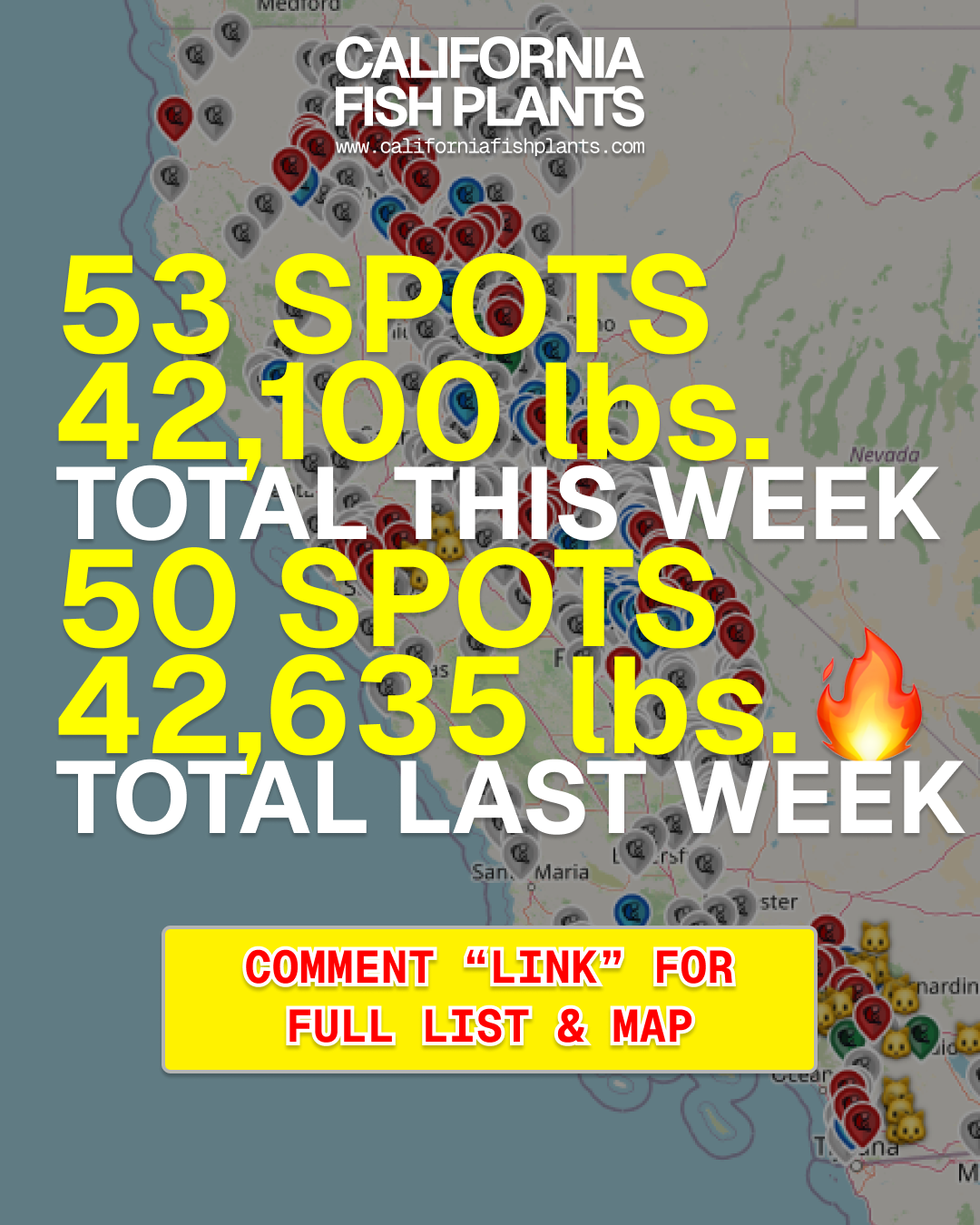
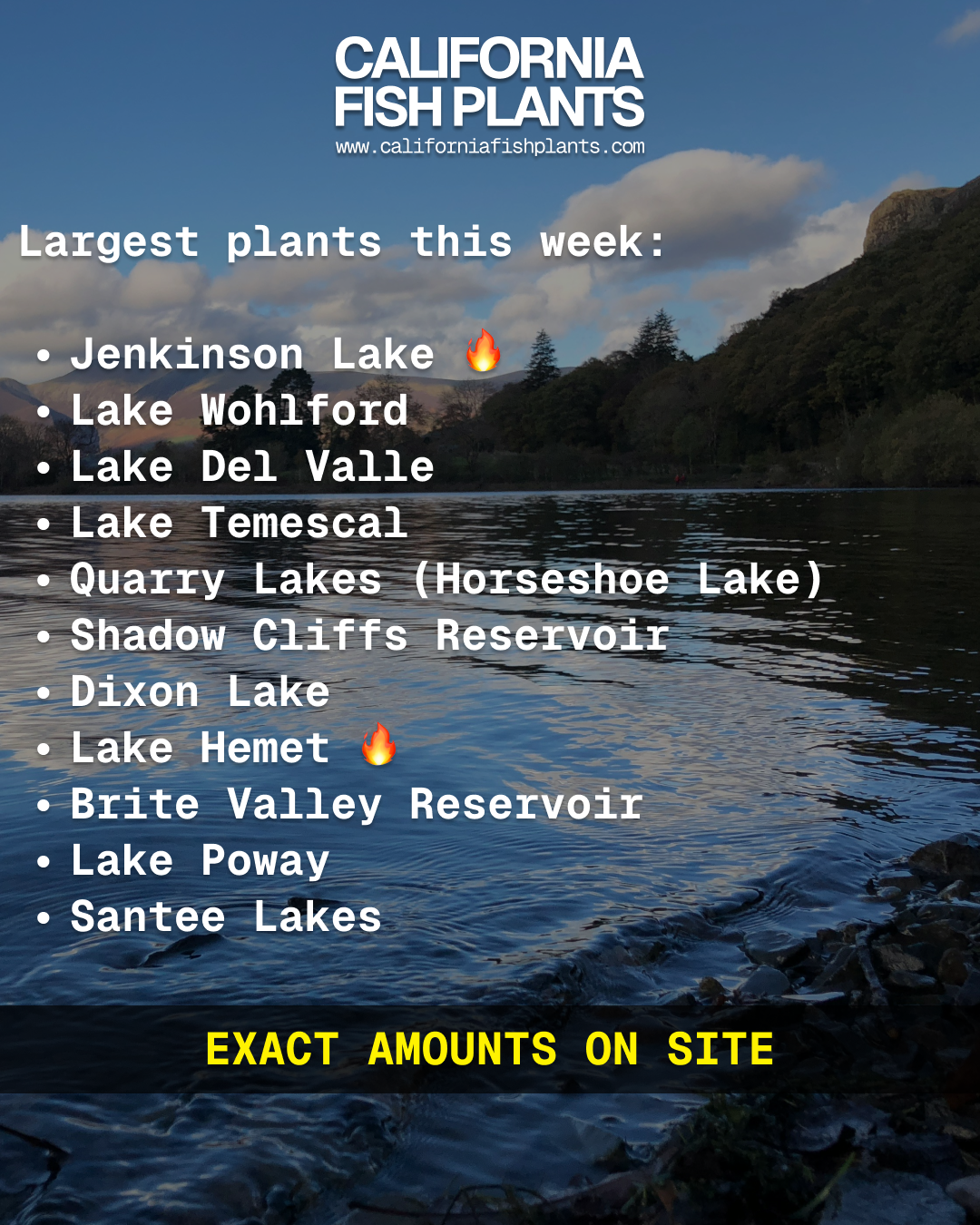
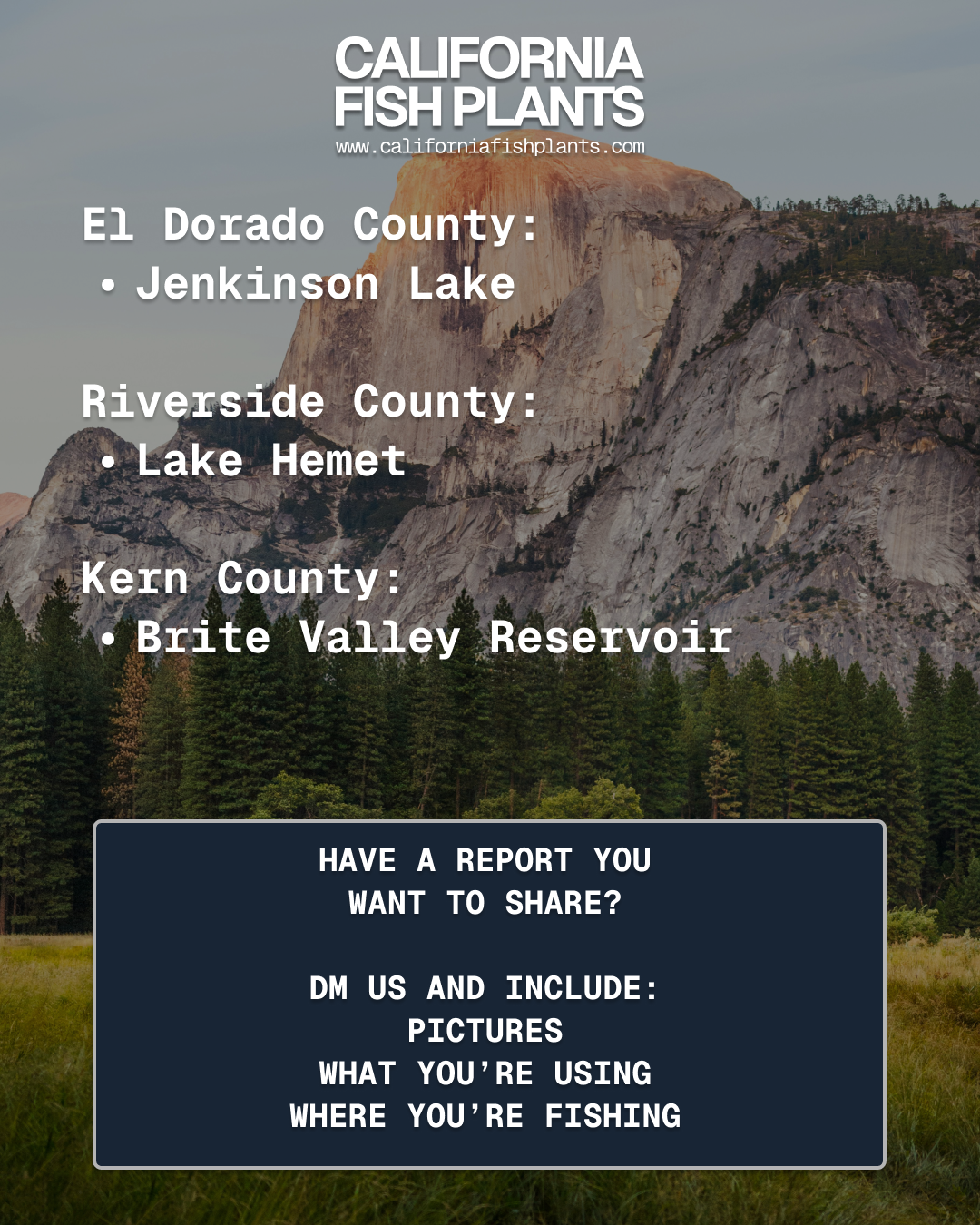
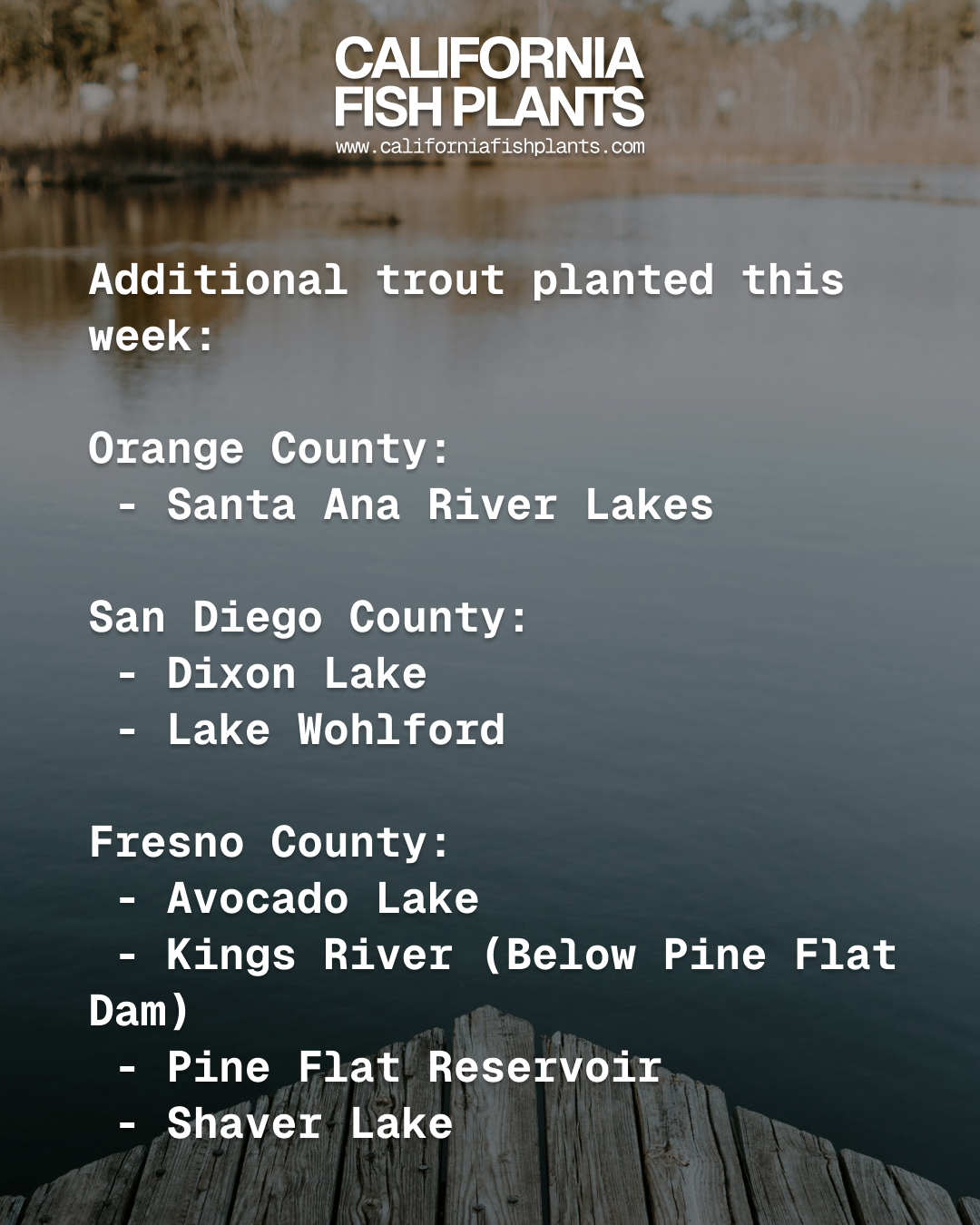
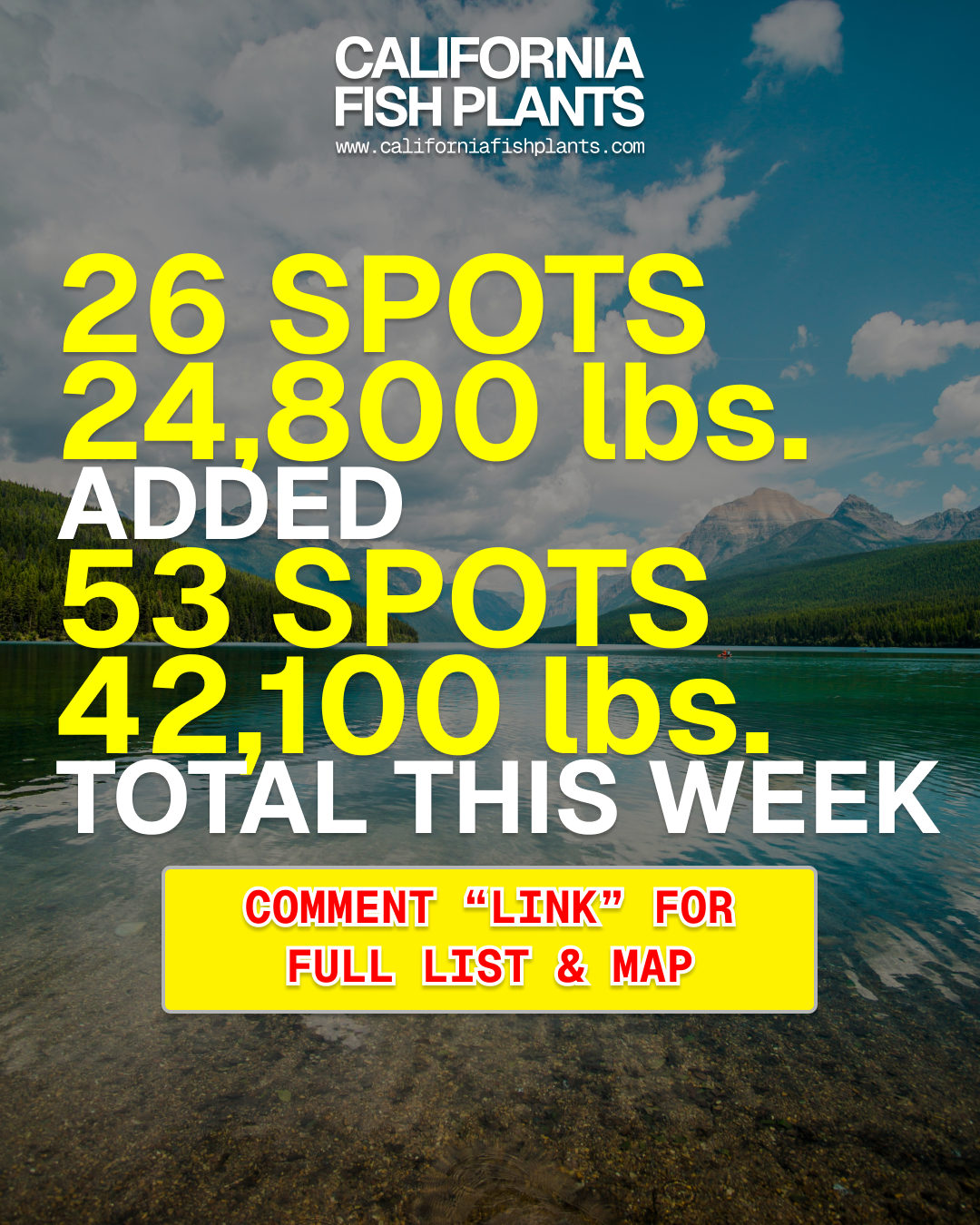
🎣 Mid-week Fish Plants for 2/1/2026 - 2/7/2026 Big boost this week with 2 4k plants “Hey anglers, here’s your midweek update. 26 additional spots are planting fish, bringing totals to 42,100 lbs. of trout across 53 locations.
Both NorCal and SoCal are seeing prime fishing weather right now, and February is starting off with a massive surge in plants. The real highlights this week are Jenkinson Lake in the north and Lake Hemet in the south; both snagged monster 4,000 lb. plants that are seriously boosting the totals and making for some heavy-hitting days on the water.”
SS Boat Launch will reopen on limited basis for season. Inspections required by reservation. Boating Season May 1st through October 1st
Spoons doing well, aim for weed lines. Spoons with pink or watermelon shades catching 2-3 lbers.
4+ lber caught using fish thugs in pumpkin green color. Darker colors catching 2 lbers.
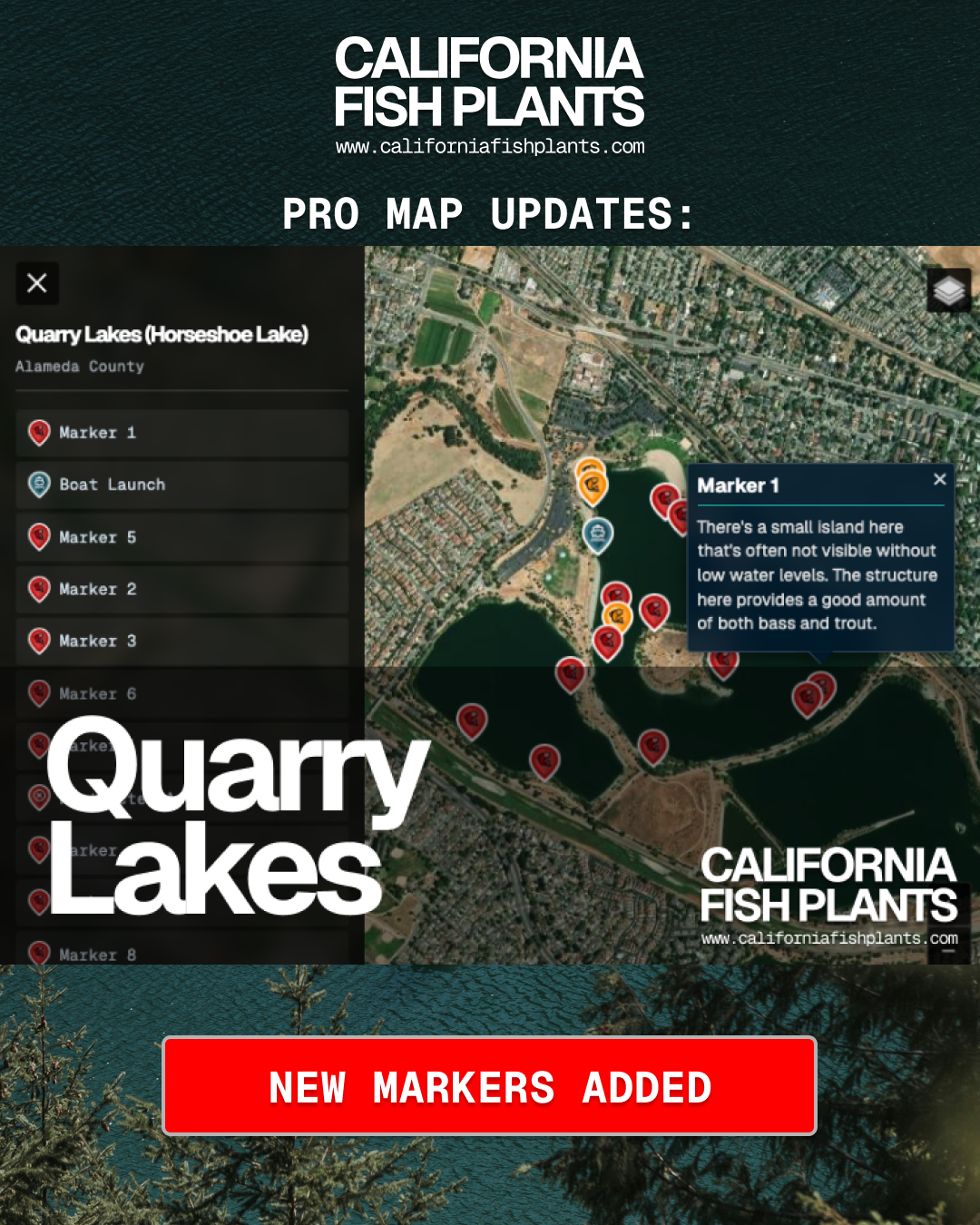
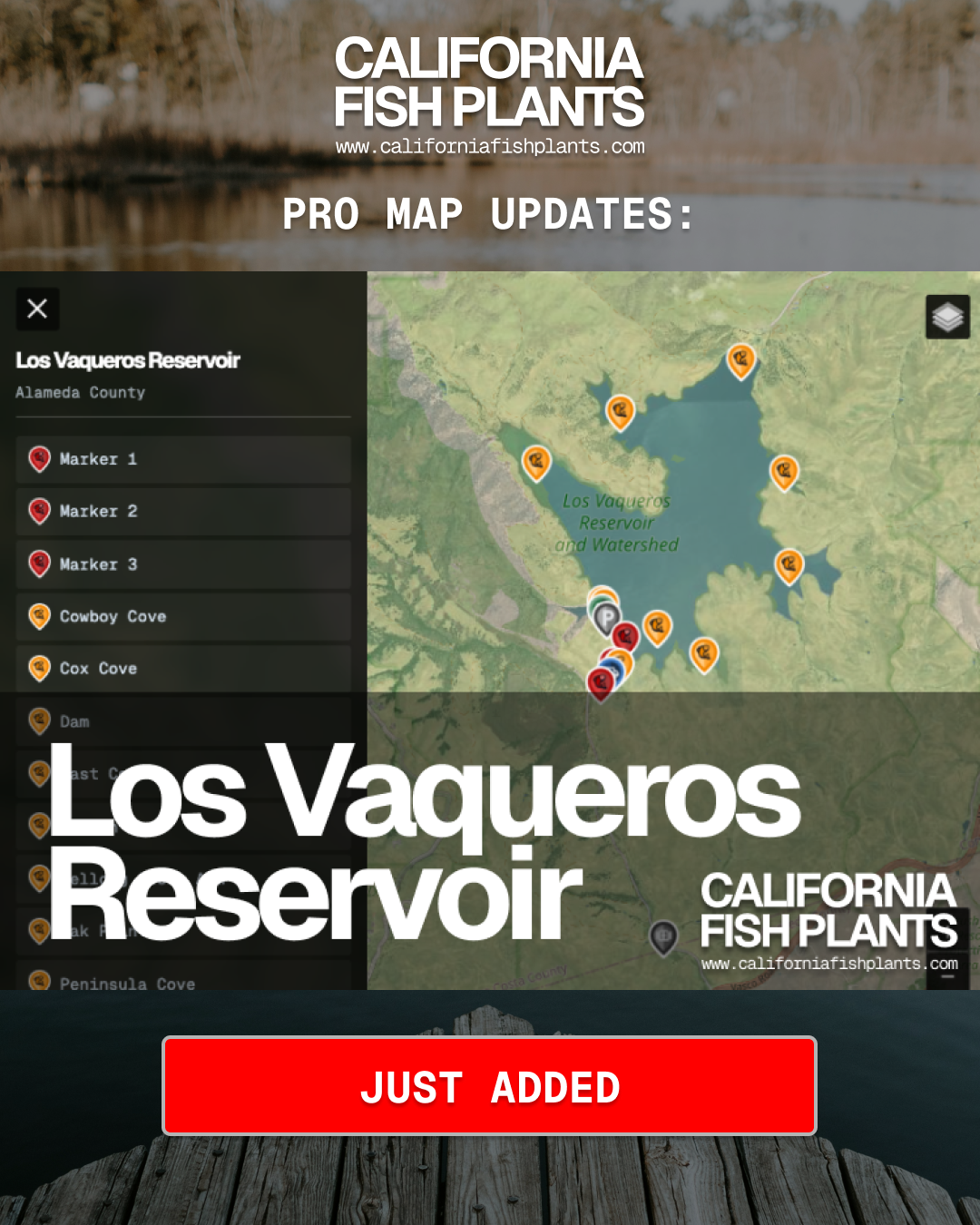
8 lber caught on spoons near Marker 1 (Refer to Pro Map)
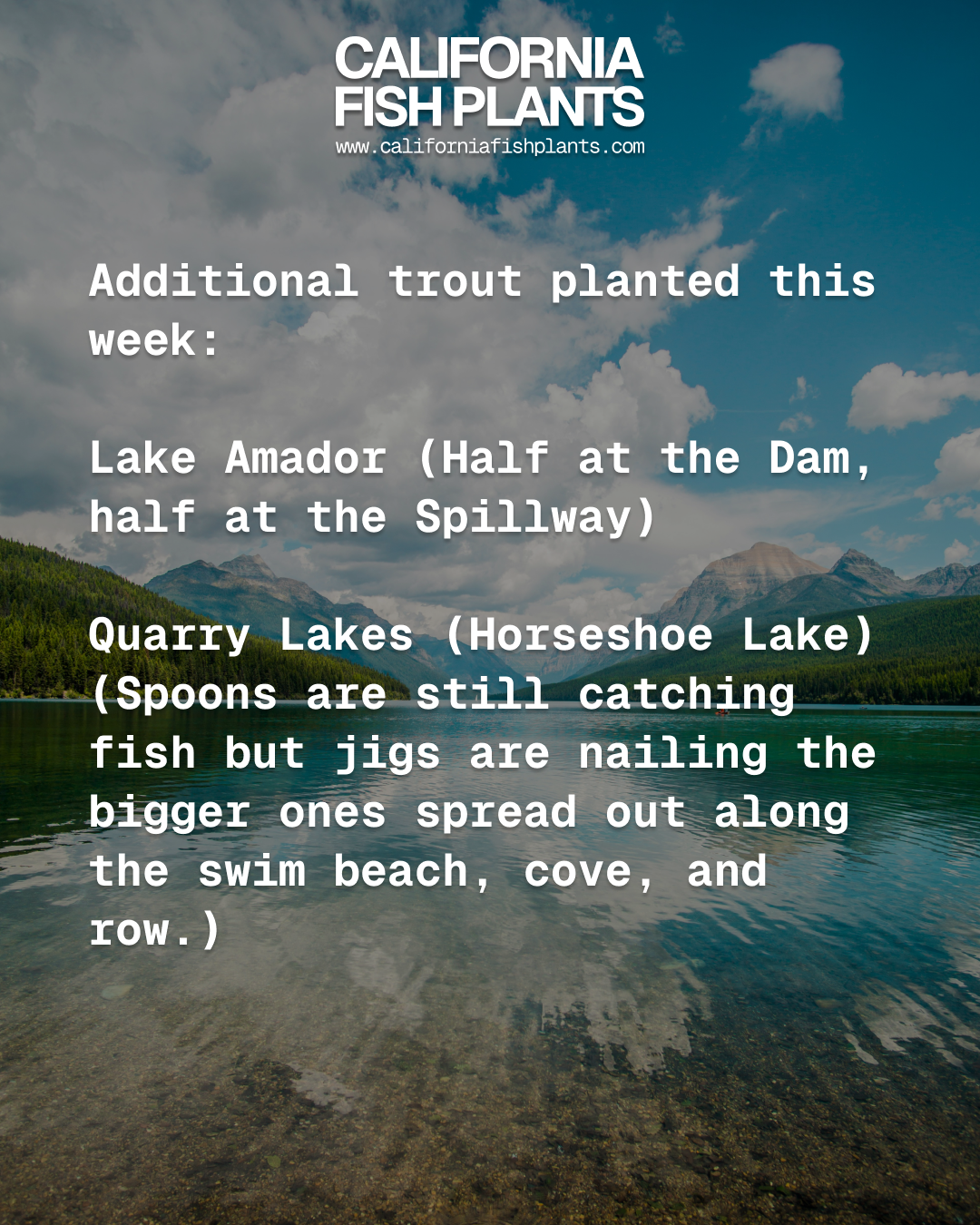
Half at the Dam, half at the Spillway
Good action on white, yellow, and blue-white tube jigs, plus swim baits and plastics for bass.
Lures are solid overall, and big swim baits or A-rigs could pull in some bass or stripers by the rocks near the dam or at Channel Point and Quail Cove.
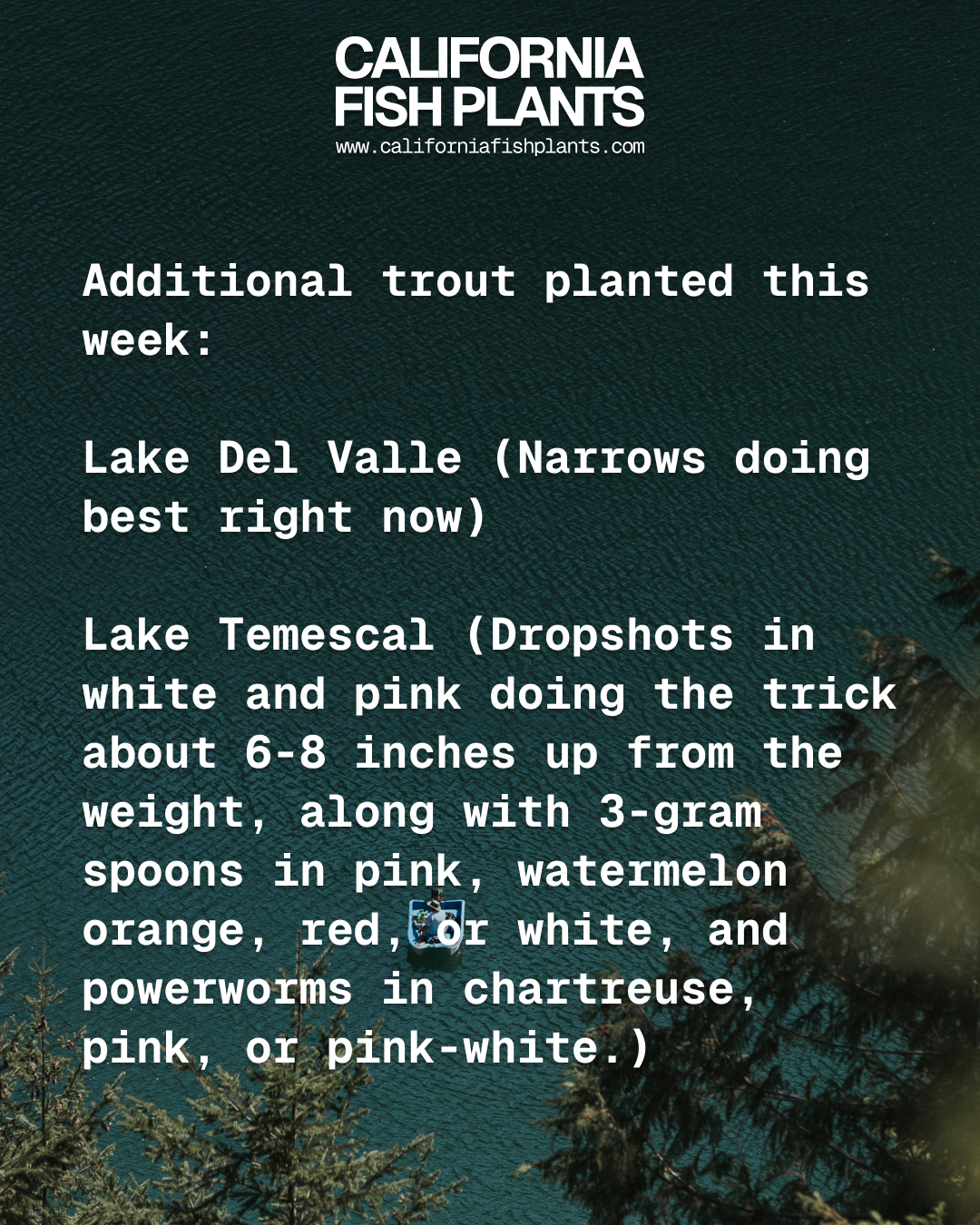
Narrows doing best right now
Dropshots in white and pink doing the trick about 6-8 inches up from the weight, along with 3-gram spoons in pink, watermelon orange, red, or white, and powerworms in chartreuse, pink, or pink-white.
Spoons are still catching fish but jigs are nailing the bigger ones spread out along the swim beach, cove, and row.
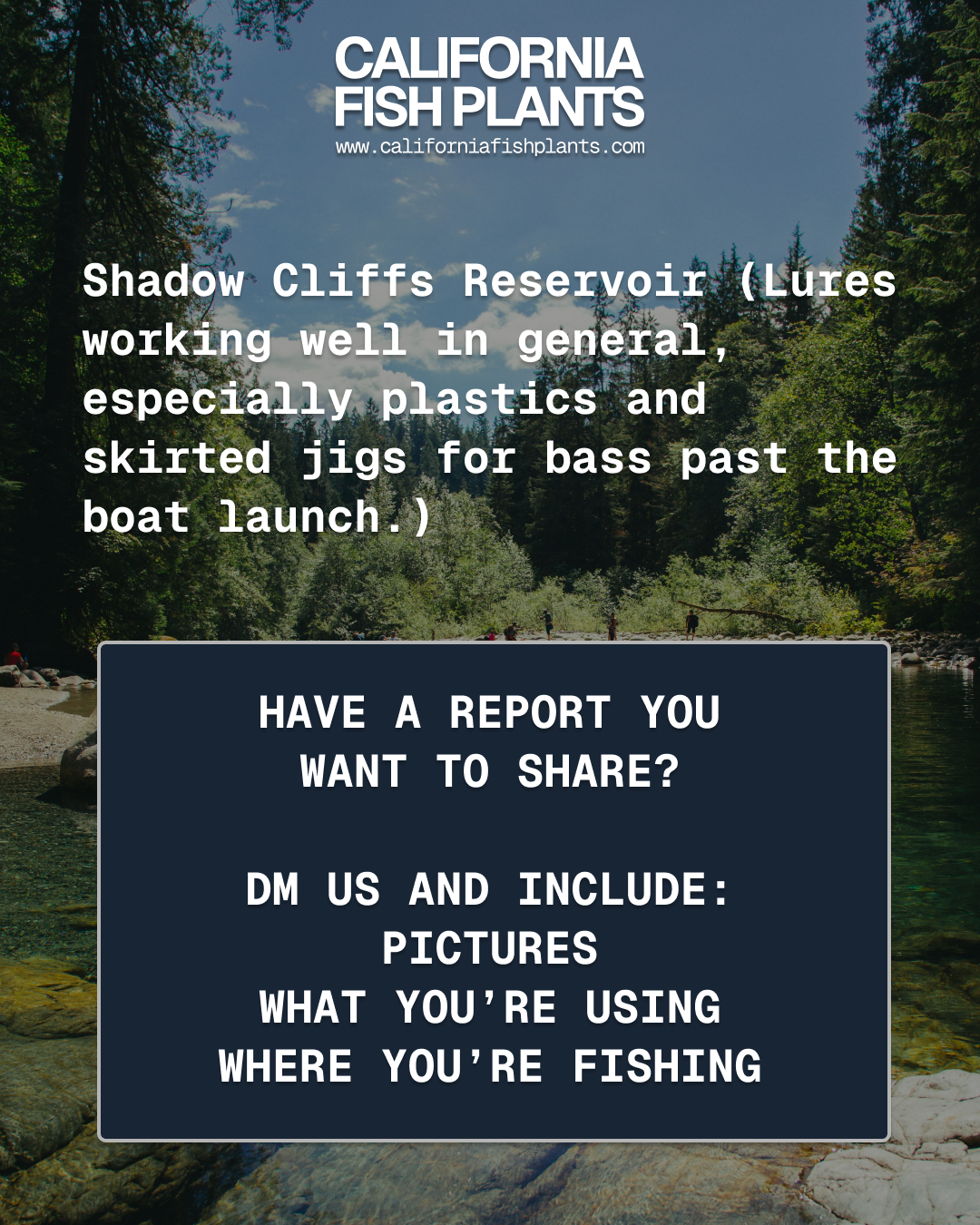
Lures working well in general, especially plastics and skirted jigs for bass past the boat launch.
🎣 California Fish Plants for 2/1/2026 - 2/7/2026 February fishing is going to be PRIME trout fishing Alright anglers, we’re now in February. Hope you got those January rainbows, and don’t forget to check out some of the monster plants from last week. There were 14 spots that had over 1000 lbs, and one with 5000. February is going to keep the fishing going strong. With rainy periods early in the week turning warmer, it’ll refresh the waters and make for comfy days chasing trout. This week, California is expected to have at least 17,300 lbs of trout planted across 27 locations. With unannounced plants, last week saw a revised total of 41,635 lbs of trout across 49 locations.
Tubes in bug colors lke BWO or Hopper working well. Remember to make barbs barbless in regulated areas.
Jigs along Marker 4 and Marker 5 (Refer to Pro Maps) doing well. Use pumpkin or rainbow trout color jigs and minnows
10 lb cutbow caught at Jackson Creek with rose gold spoon, 11+ lb cutbow caught at launch cove, 7+ lb cutbow caught on silver kastmaster
Bull stock trout (look like brown trout but are rainbows) being caught near Browns Ravine. Trout are coming up high as 15 ft of water. Trolling jigs like MADE baits working well.
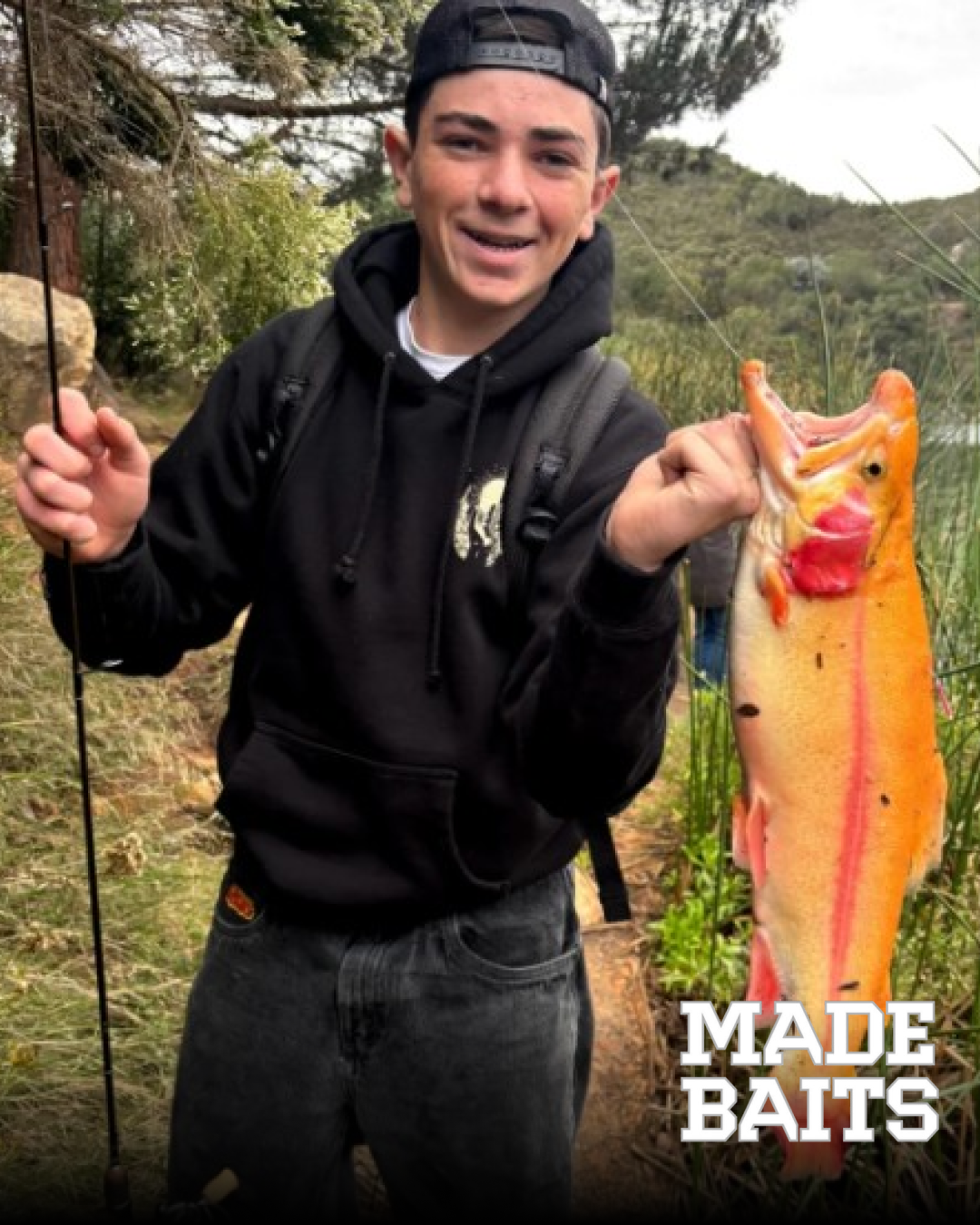
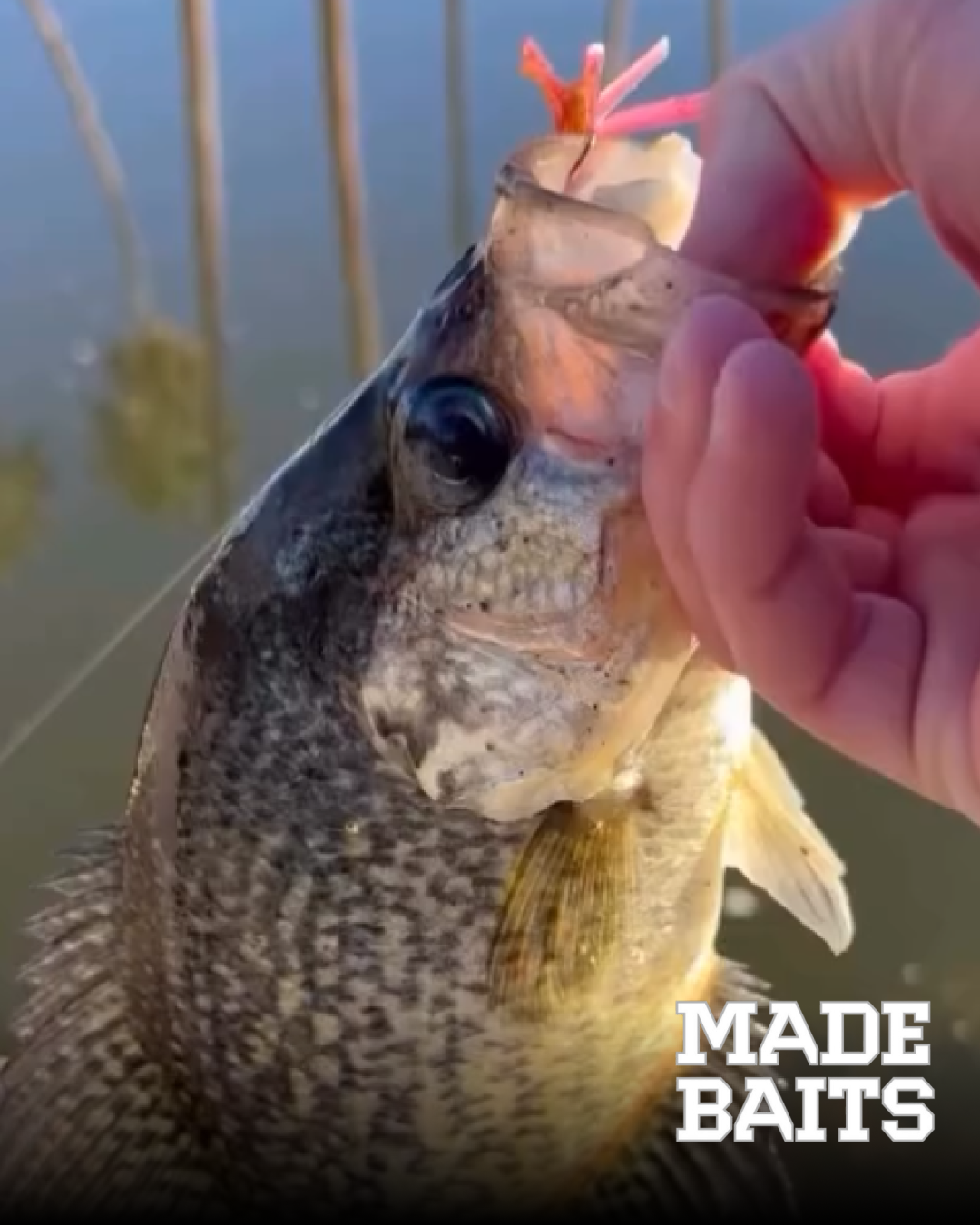
MADE Baits are getting attention everywhere this season. Originally crafted for trout, these baits have proven so effective that anglers are now using them to hook not only trout but also crappie and bass. Mike Cooper designs these baits with patterns and actions that mimic natural forage, giving them strong appeal across species. The rainbow trout pattern minijig in particular has been standing out lately, drawing strikes from picky fish in clear water. That same color was previously used by Royce Neal to win the Dixon Lake Derby with a 5.18-pound lightning. The versatile designs offer good durability and realistic movement, making them effective in local lakes whether casting from the bank, jigging, or slow-rolling for bigger bites. They’re showing up in more tackle boxes from Southern California all the way through central and northern parts of the state. Lakes, streams, and rivers alike are producing on them. When we checked in with Mike, he said it’s been a fantastic journey to see so many people catching trout and crossing over to crappie and bass with his baits. Check out the full lineup at https://shop.californiafishplants.com/collections/made-baits. New releases come out consistently, and now is a prime window to grab a pack or two while fish are active on multiple fronts. Get on the water and test them yourself.
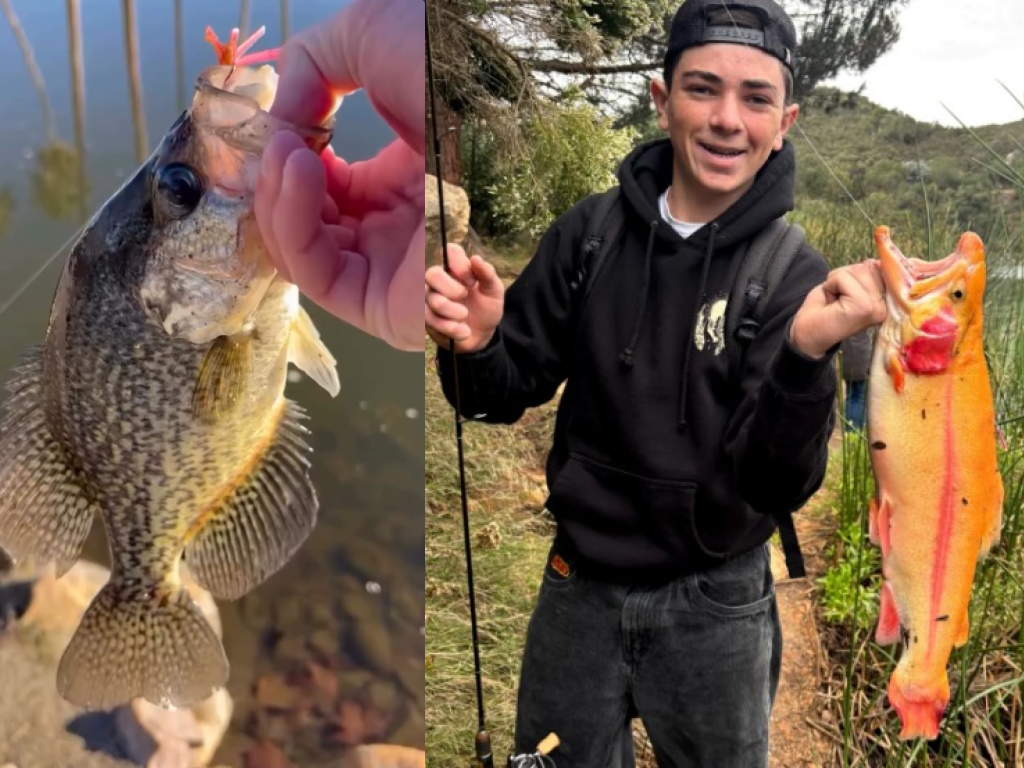
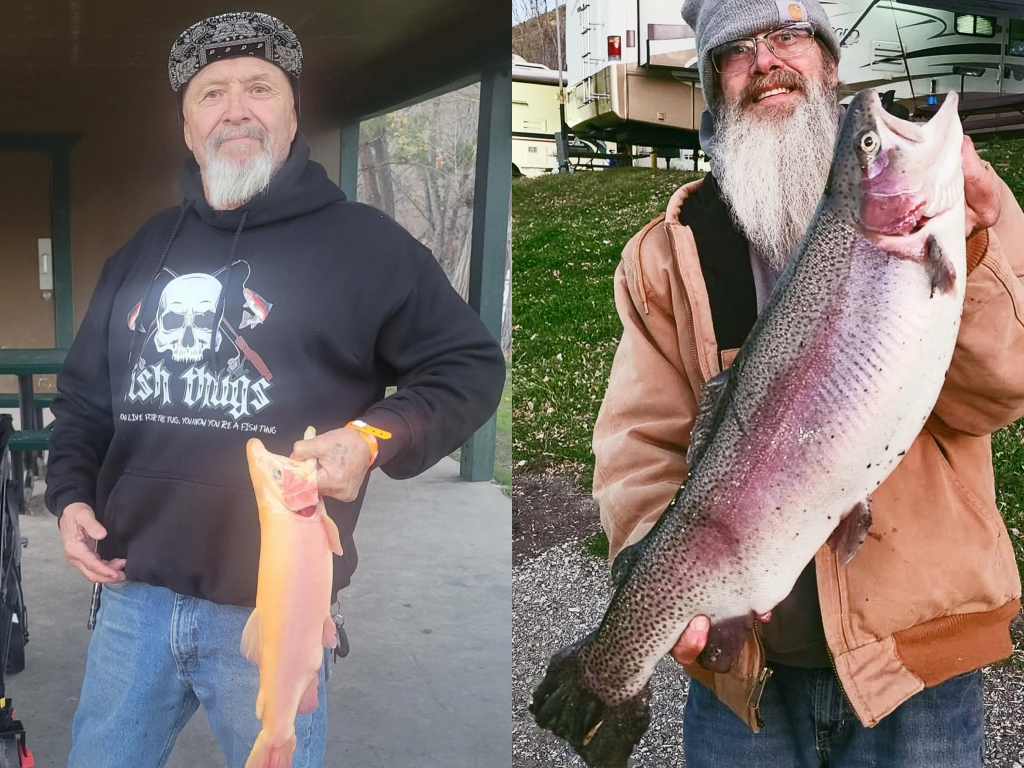
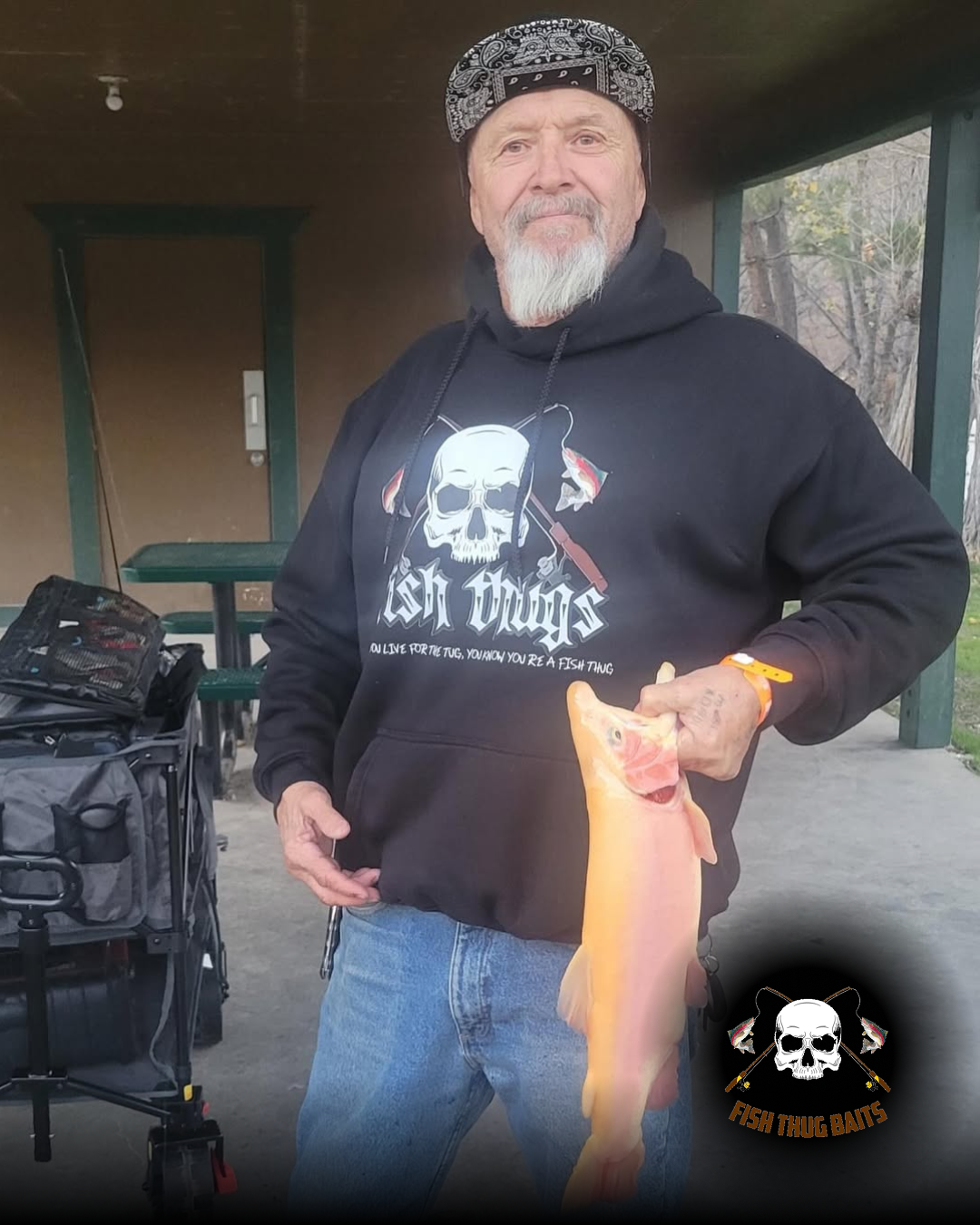
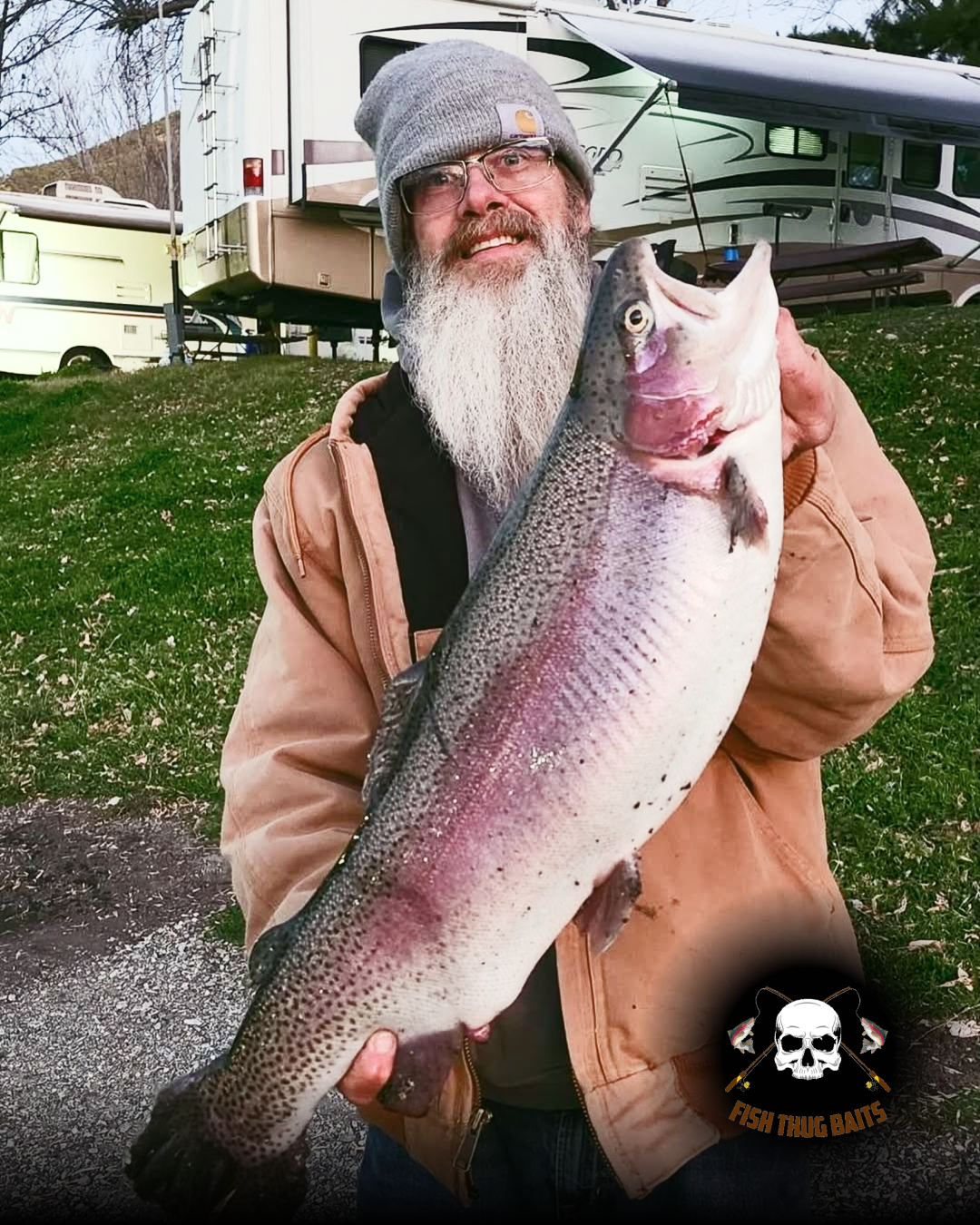
Fish Thug Baits has been producing mini jigs that are working well for Southern California trout anglers this season. With trout stockings ramping up across SoCal, places like San Bernardino Regional Park lakes and Mountain Lakes Resort are receiving substantial plants. Anglers are connecting from shore and on the water. Mini jigs have been a reliable choice for targeting these trout, and the ones from Fish Thug Baits are performing well. Steve, the founder of Fish Thug Baits, crafts these mini jigs in patterns like minnows, trout, and shad that mimic baitfish trout chase. Anglers have been hooking trout up to 10 pounds in some standout cases using these custom mini jigs. Steve recently hooked one over 10 pounds himself, and his friend CP landed a beautiful lightning trout at Mountain Lakes Resort. The designs offer realistic imitation with good action and durability, making them effective for local lake conditions whether casting from the bank or using finesse techniques. These are definitely being seen across central and northern California lakes more and more, as well as streams and rivers, since trout seem to bite them everywhere. Steve mentioned that when it comes to plastics, the quality of the plastic actually matters a ton more than anything else. Check out the selection at https://shop.californiafishplants.com/collections/fish-thugs-jigs. New colors get added consistently, and it’s a good time to pick up a few while the trout bite stays strong. Hit the water and see what they can do.
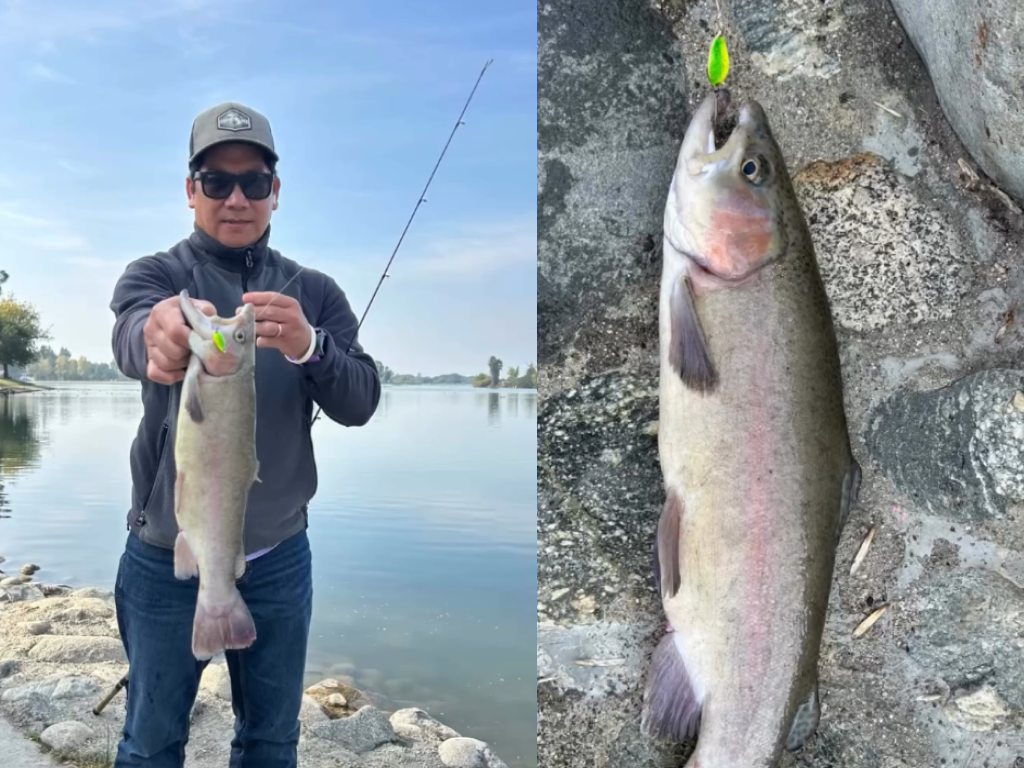
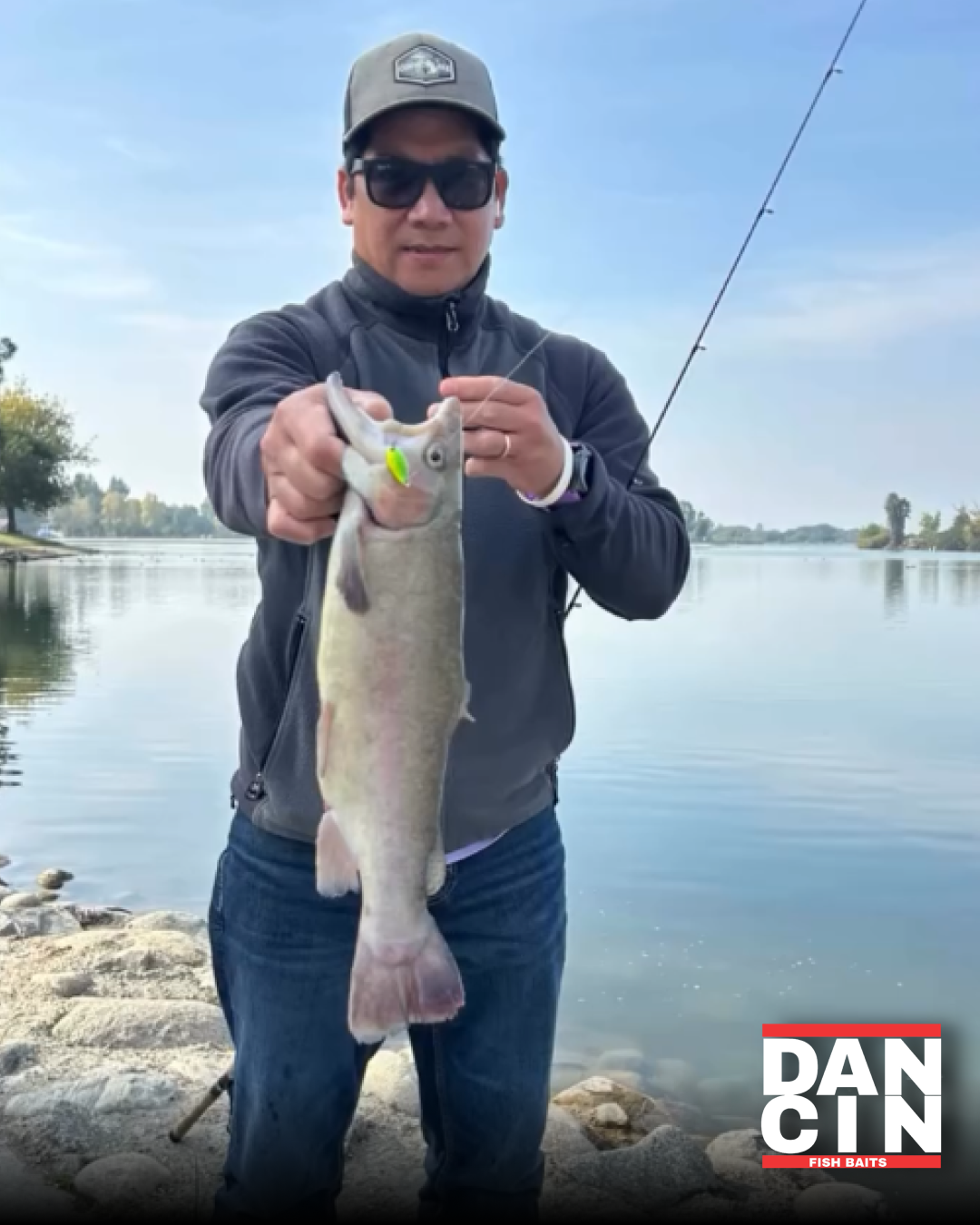
Dancin Fish Baits has been busy producing spoons, and they’re delivering results for Southern California trout anglers this season. With trout stockings ramping up across SoCal, some lakes are receiving substantial plants. Diamond Valley Lake recently got 3,500 pounds in one stocking, and anglers are connecting from shore and on the water. Spoons have been a reliable choice for targeting these trout, and the powder-coated spoons from Dancin Fish Baits are performing well. Daniel, the founder of Dancin Fish Baits, crafts these with a full lineup of colors. Anglers have been hooking trout up to 10 pounds in some standout cases using these custom spoons. The powder-coated designs offer good flash and durability, making them effective for local lake conditions whether casting from the bank or trolling. Check out the selection at https://shop.californiafishplants.com/collections/dancin-fish-baits. New items get added regularly, they ship daily, and it’s a good time to pick up a few while the trout bite stays strong. Hit the water and see what they can do.
We caught up with Tom Mailey from Get The Net Fishing. He’s been guiding clients out on Folsom Lake, and January and February are some of the best months to head out there for fishing before the summer crowds show up. The water’s cool, keeping the trout more active and ready to feed in those colder temps. Compared to the bustling summer with tons of boat activity, these quieter months make for a more relaxed and successful time on the water.
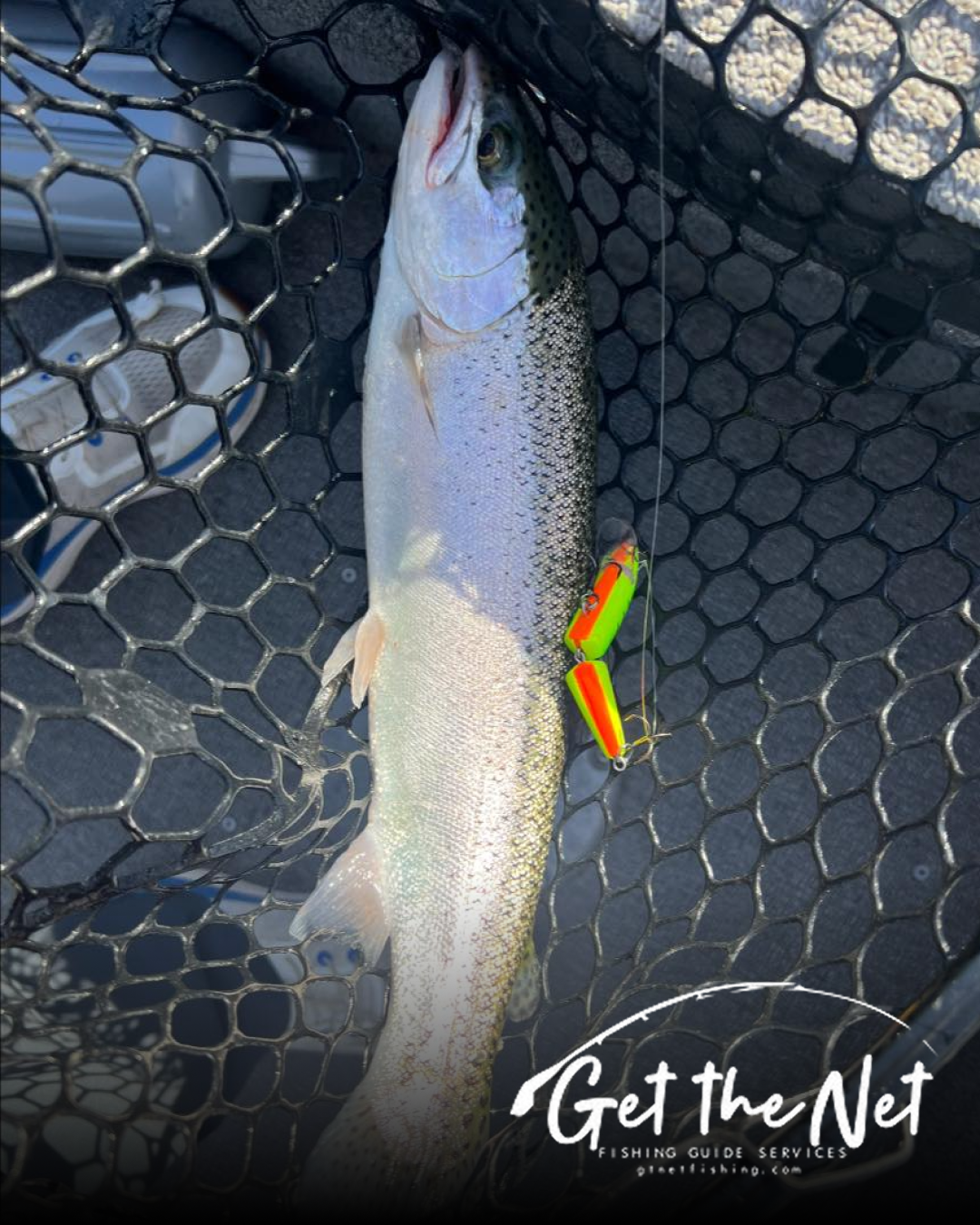
“Folsom is definitely still fishing well for trout right now and even a few good-sized salmon. My fellow guide Jerry Lampkin did very well last week both up near Peninsula campground and out in front of the dam near the floating weather station. He said trailing nightcrawlers behind little sidekick-style flashers worked well, as did toplining spoons and among his catch, a 22’ king. There are still lots of small 10-12” kings too and hopefully guys are releasing those.
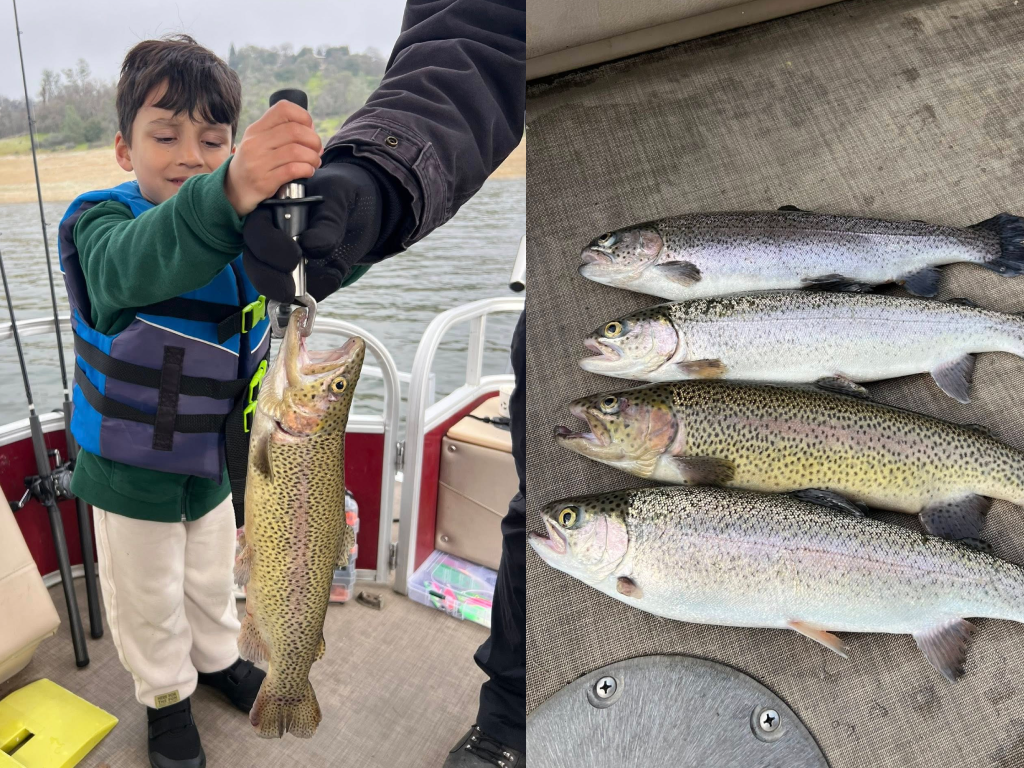
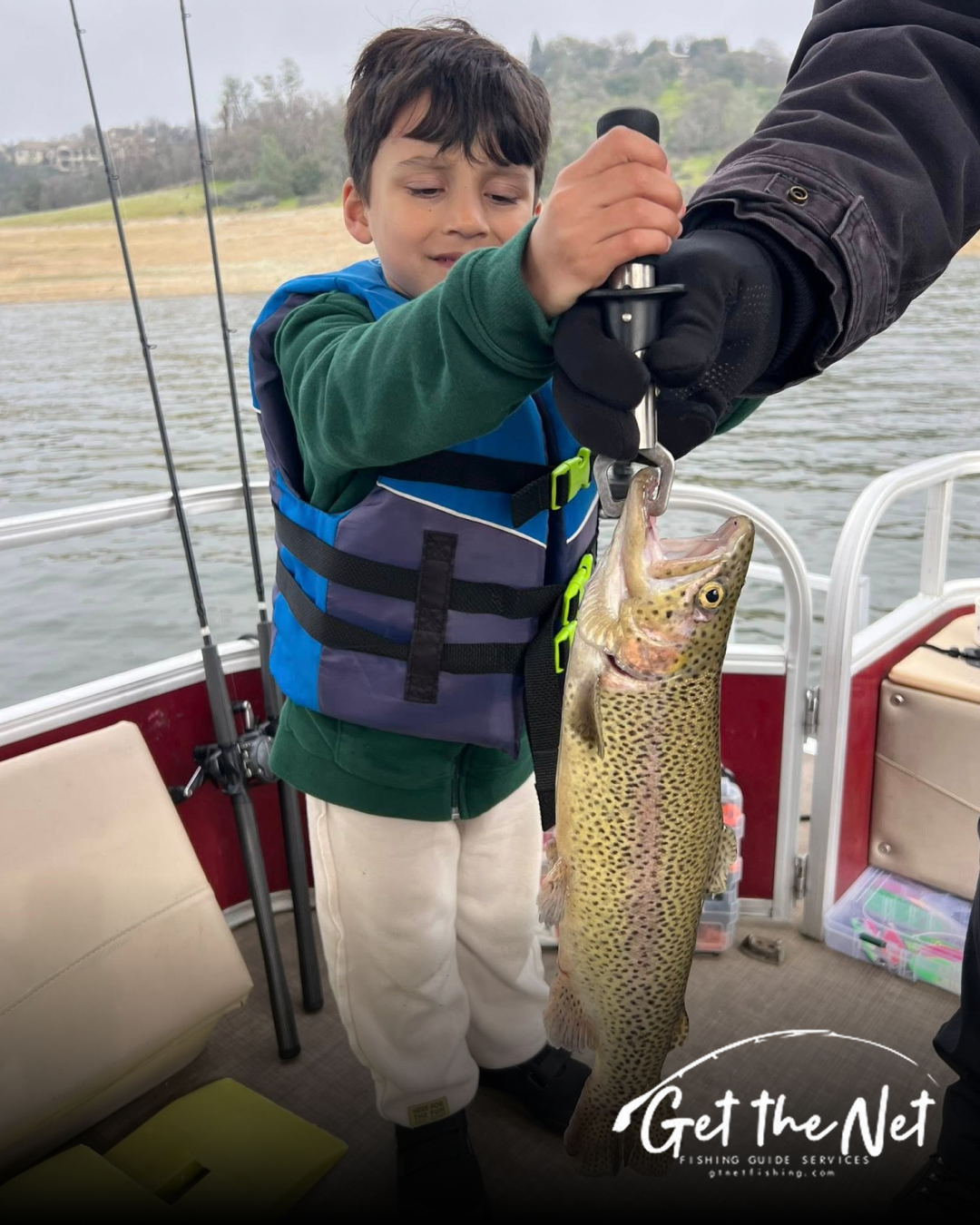
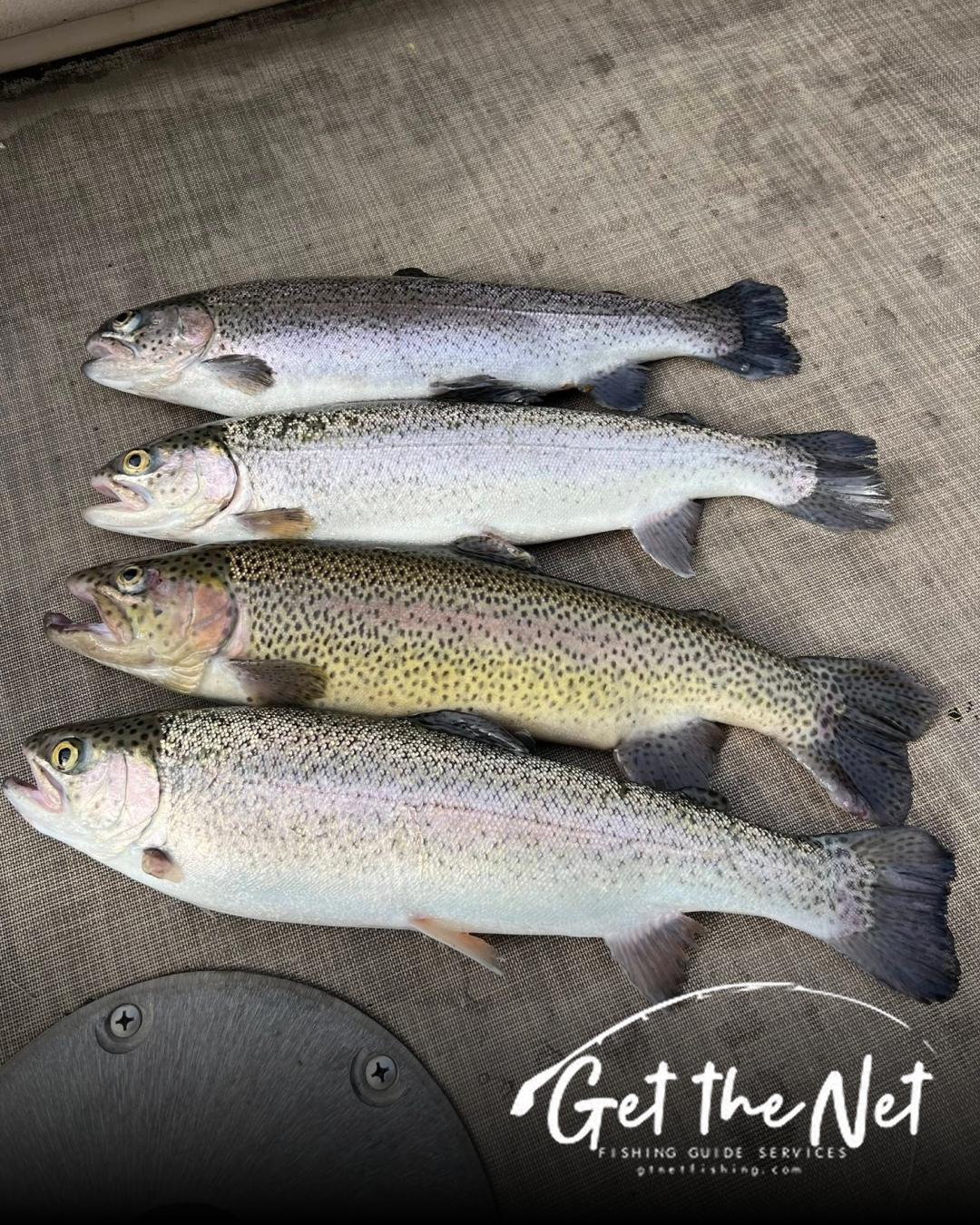
One interesting note: Folsom recently received an unexpected plant of 4000 lbs of trout from a hatchery in the upper reaches of northern California. I do not have all the details but apparently the hatchery had an equipment malfunction and they had to offload fish. The ones they put in Folsom, at Brown’s Ravine, are larger than the normal CDFW fish and also pretty cool looking - they’re heavily spotted. I thought one of them was a brown til we got it in the boat! Good fighters, too. The 4 pictured were caught just over a week ago with a client in the water just off Brown’s, but I’m pretty sure they are now dispersing throughout the lake.”
If you’re new to Folsom Lake or want some tips to get on the fish, book a guided trip with Tom. He is fishing both Folsom Lake and Collins Lake (which is picking up), and has open dates after February 12. Head to https://www.gtnetfishing.com/ for more info or call 916-521-4641 to book.
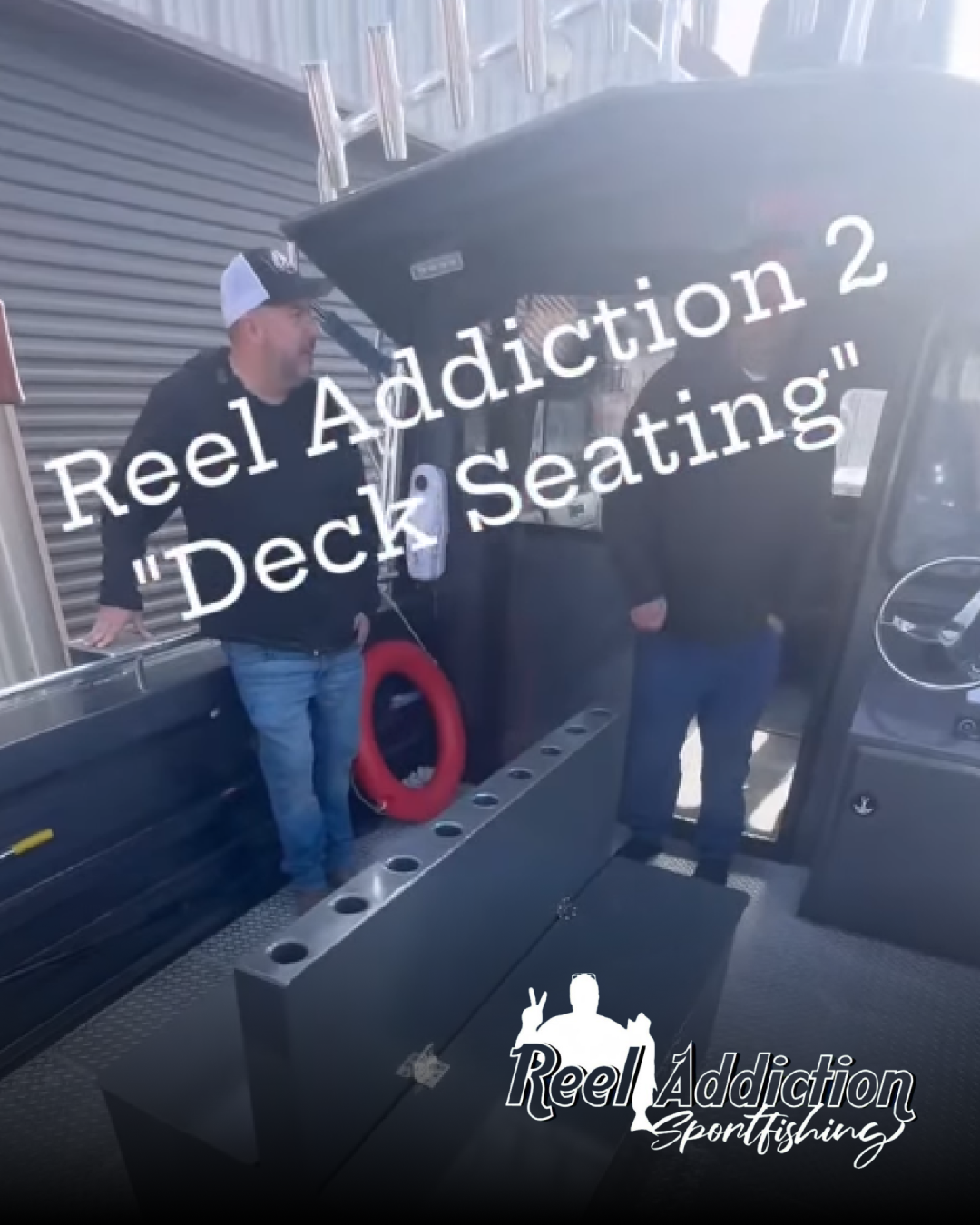
Reel Addiction Sportfishing out of San Francisco Bay is doing lots of prep and has exciting things coming up for the upcoming seasons. They run two boats that always come back with huge hauls, fishing the Bay and nearby waters for rockfish, lingcod, Dungeness crab, and more. With their trips getting popular across locals and out of state visitors, they’ve made a couple of updates. Their second boat now has added deck seating for lots of families, since each boat accommodates up to six people. They’ve also added a new deck boss, Robert Bewley, who is joining the team. If that wasn’t exciting enough, on the 15th of each month starting March they’re doing a Battle of the Boats between the two Reel Addiction boats. It’s going to be interesting to see what happens because both boats always come back with a huge amount of fish. Make sure to get in on the action and book a trip with some of San Francisco Bay’s best. Check reeladdictionsportfishingllc.com for availability or call 925-812-4047. Spots fill fast.

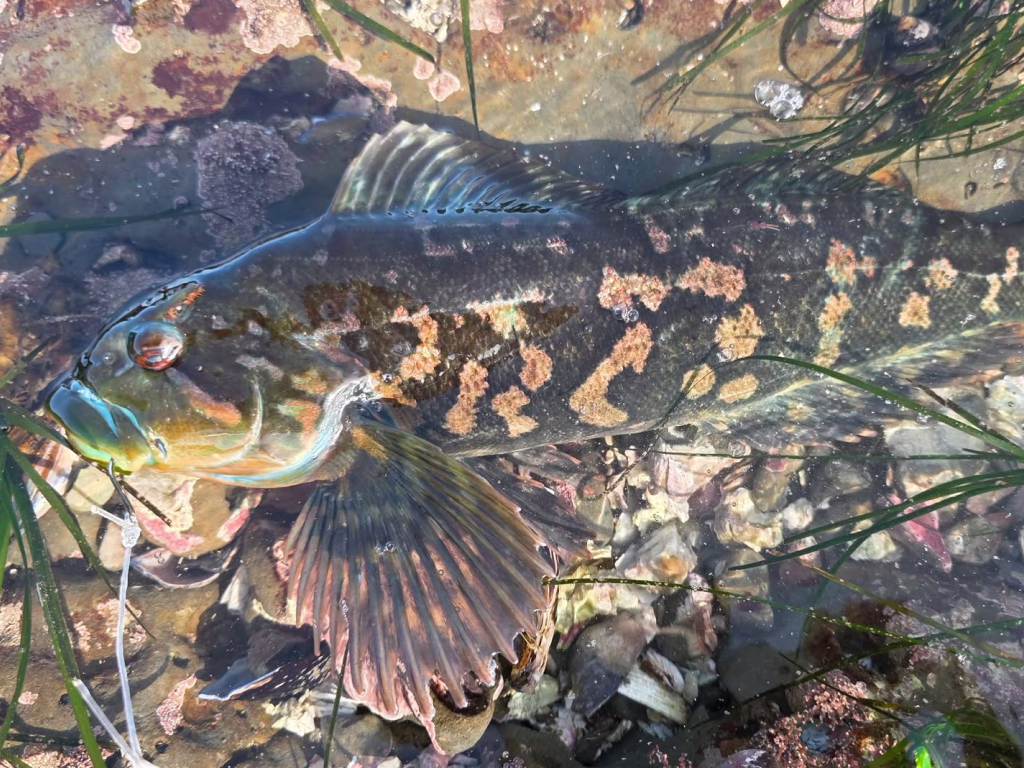
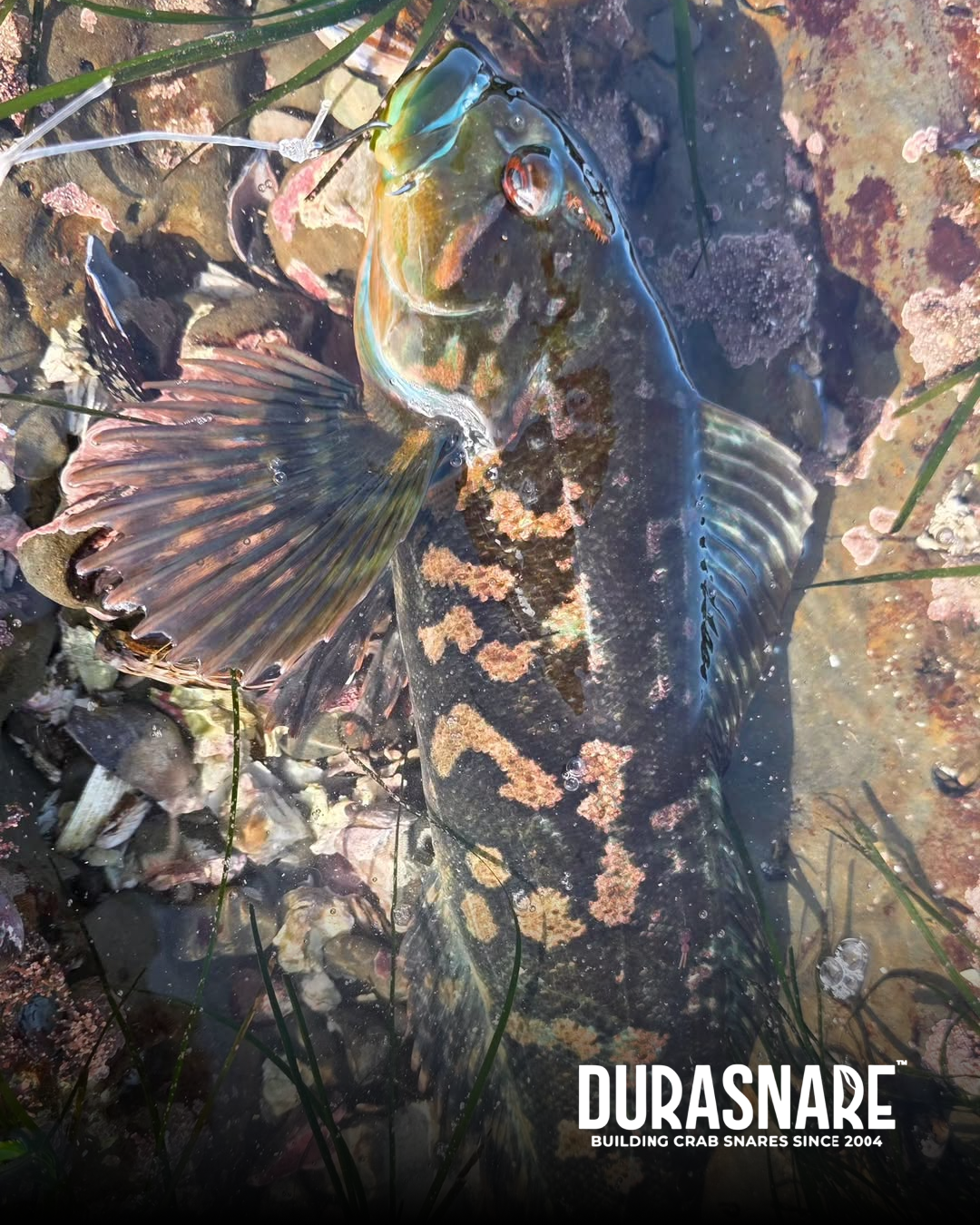
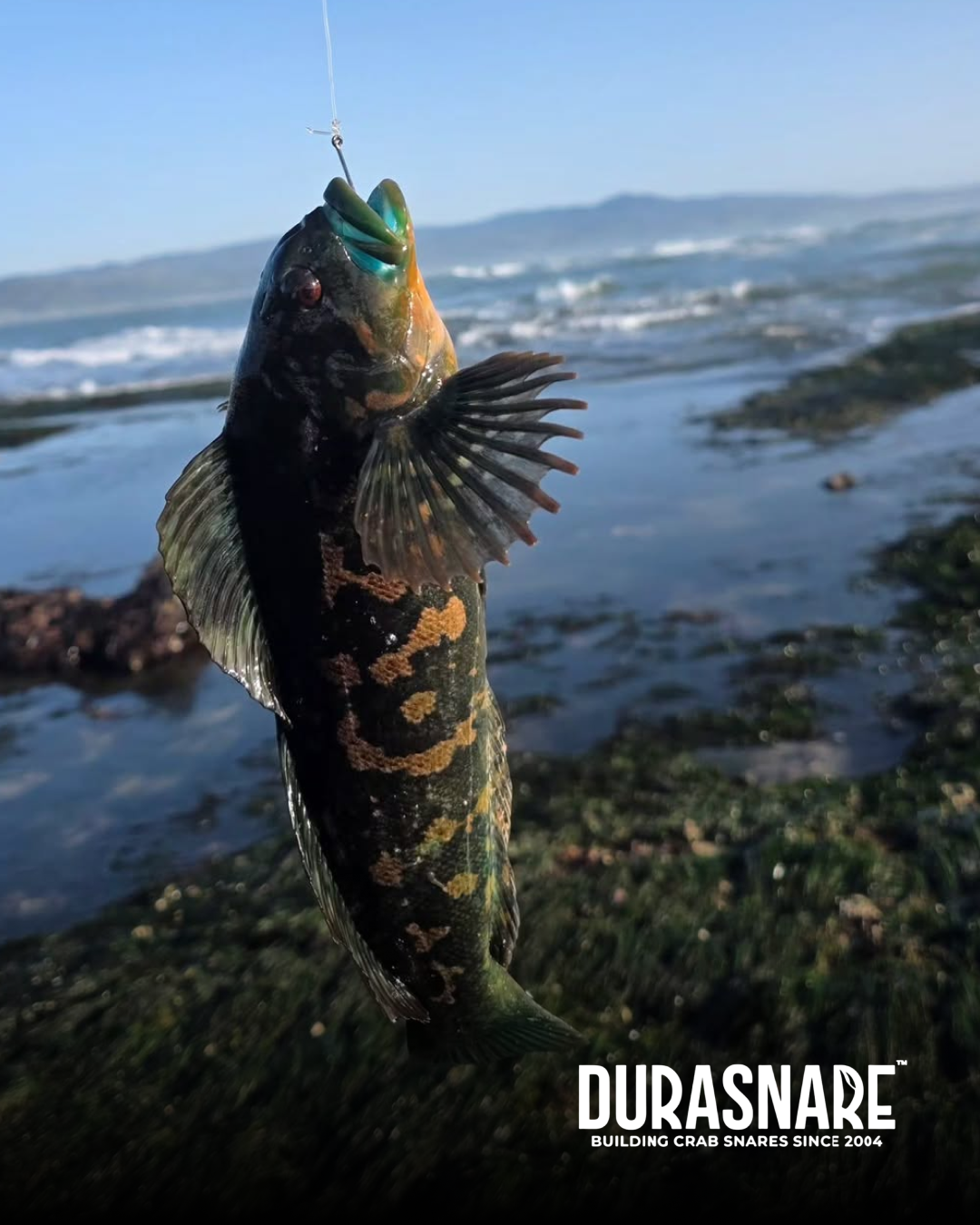
Lawrence Ngai from Durasnare went poke-poling at low tide and brought back a good haul: one greenling, one monkeyface prickleback eel, three rock crabs, and 10 pounds of mussels. Nice mix from the California coast. Durasnare builds some of the best handmade crab snares around, tough and reliable right out of Pacifica to keep Dungeness locked in tight. Lawrence started crafting them years back after seeing what lets crabs escape regular gear, and they’ve become popular for piers, jetties, and beaches. His stuff got a lot of looks at the International Sportsmen’s Expo earlier this month. People checked out what sets them apart hands-on. Lawrence is a pro poke-poler too. He guides trips for beginners, showing how to spot holes in the rocks, rig the long pole, and pull out monkeyface prickleback eels or fish during those low tides. He also runs crab snaring outings, covering bait, casting, reading the water, and getting keepers safely. Plus, he does catch and cook so you learn to clean and cook your catch right on the coast. Check durasnare.com for the gear or to book a trip. Lawrence knows the spots, shares the know-how, and turns it into a real coastal adventure you’ll remember.
The only live map of every public and private fish plant in California. Free forever.